
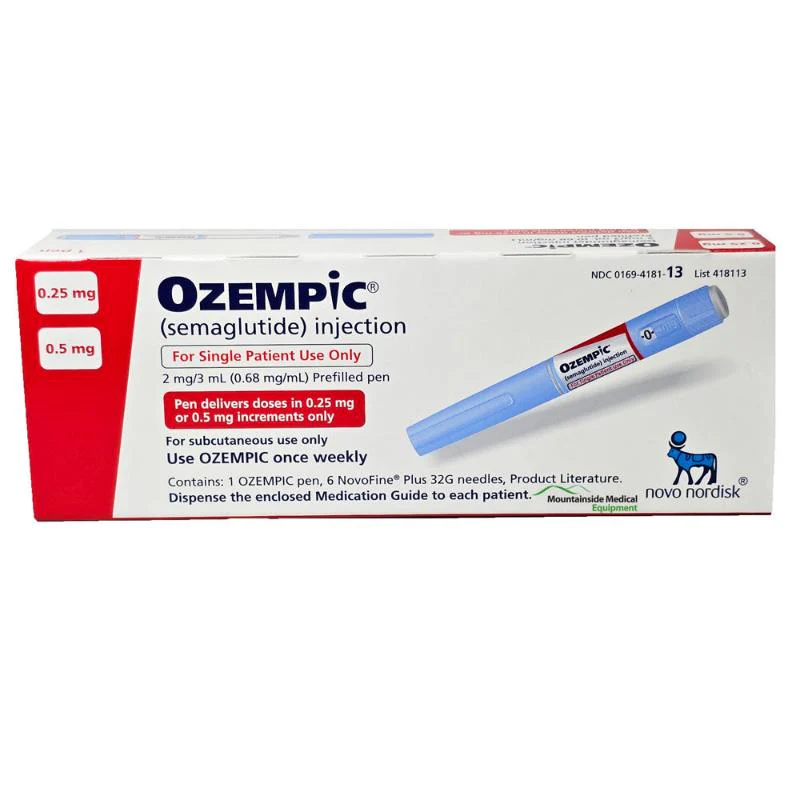
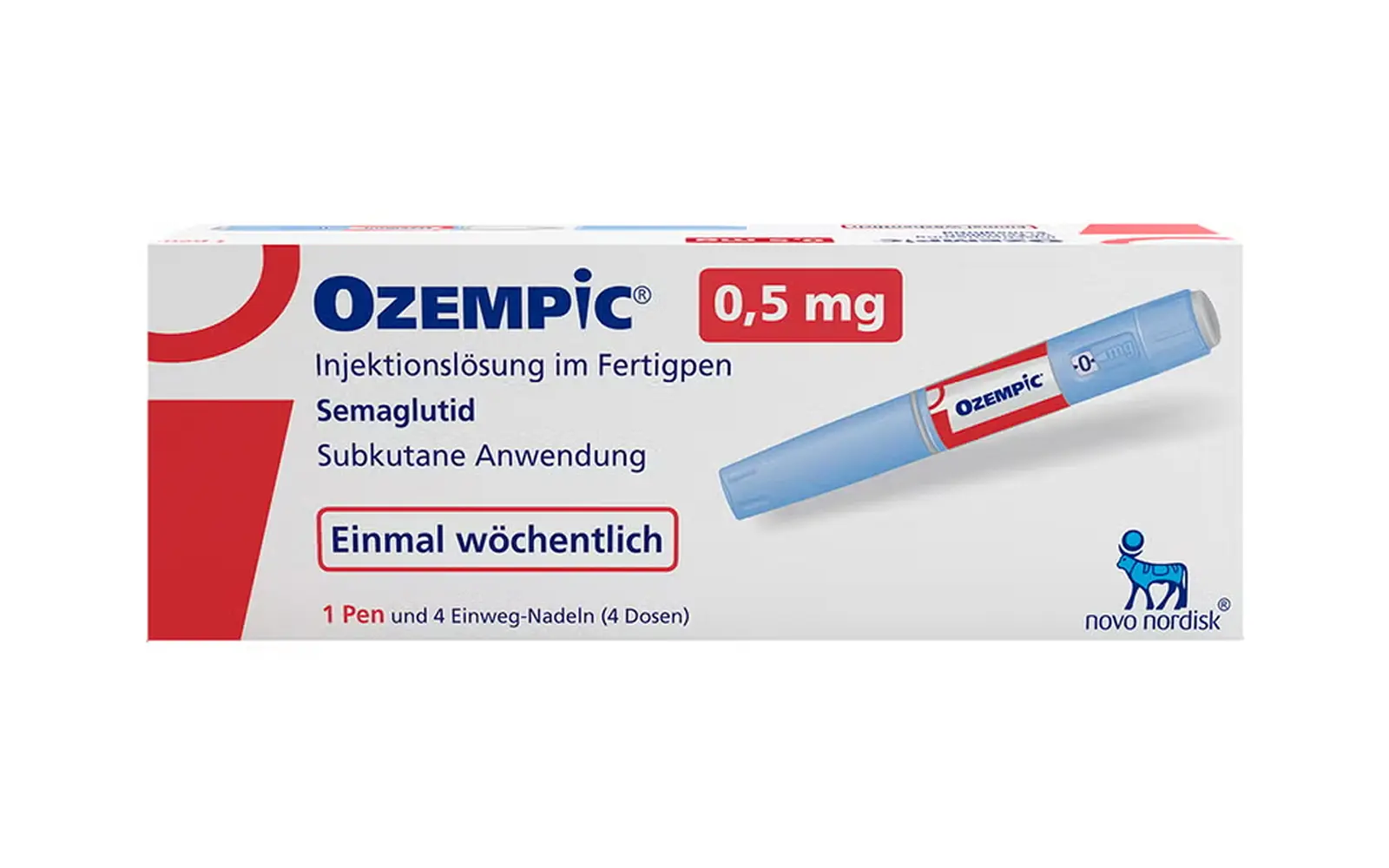
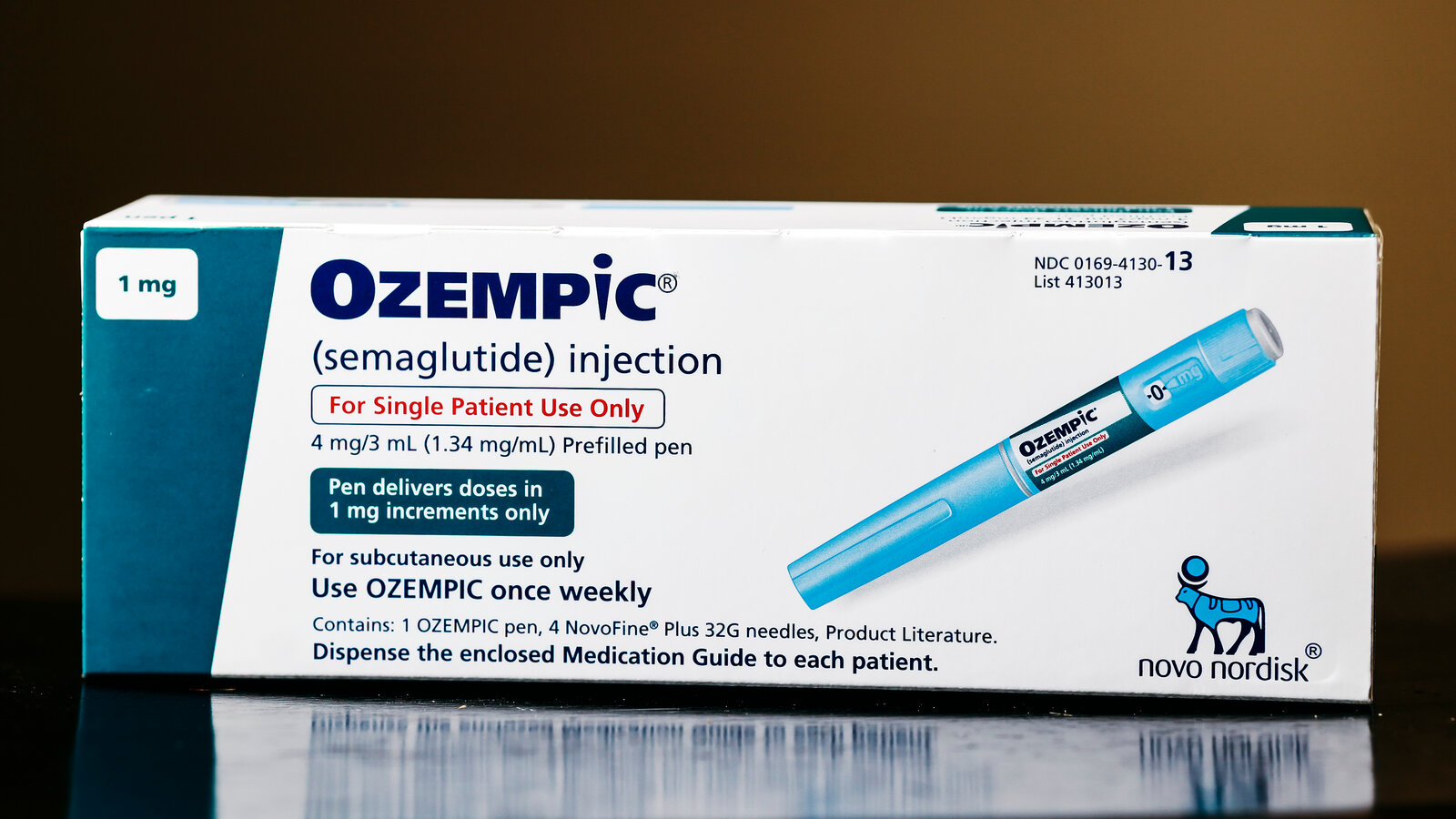
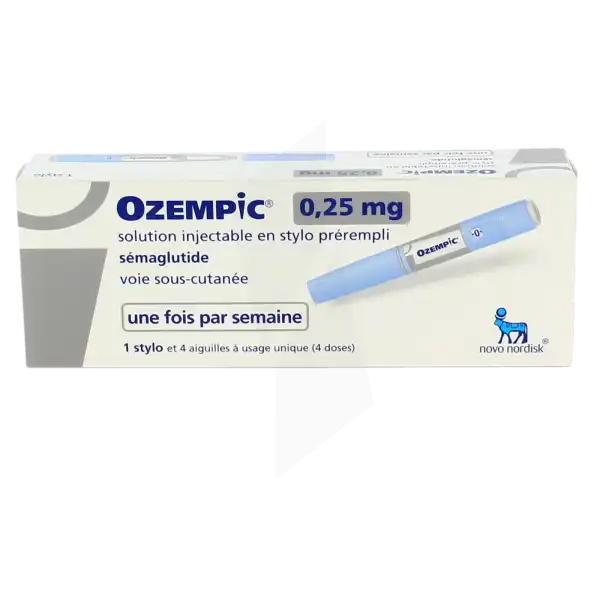

Ozempic (Semaglutide) Weekly Injection for weight loss and type 2 diabetes.
Price range: $185.00 through $280.00
Ozempic is a prescription medication used to treat type 2 diabetes by helping to regulate blood sugar levels. It is not approved by the MHRA for weight loss or weight management purposes.
However, some studies have shown that people with type 2 diabetes who take Ozempic may experience weight loss as a side effect. This may be due to the medication’s effects on appetite regulation and metabolism.
Description
Buy Ozempic (semaglutide) Online
Ozempic (semaglutide) is a once-weekly prescription injection FDA-approved for the treatment of type 2 diabetes in adults. Manufactured by Novo Nordisk, Ozempic is one of the most widely prescribed diabetes medications in the United States and carries three distinct FDA indications: glycemic control, cardiovascular risk reduction in adults with established heart disease, and as of January 2025, kidney disease and cardiovascular protection in adults with type 2 diabetes and chronic kidney disease.
In the SUSTAIN clinical trial program, Ozempic produced superior reductions in HbA1c (long-term blood sugar) compared to placebo, sitagliptin, exenatide, insulin glargine, and dulaglutide. In the SUSTAIN-6 cardiovascular outcomes trial, Ozempic reduced the risk of major cardiovascular events (heart attack, stroke, or cardiovascular death) by 26% in adults with type 2 diabetes and established heart disease. The FLOW kidney outcomes trial showed a 24% reduction in adverse kidney events.
Ozempic also produces clinically meaningful weight loss as a secondary effect of treatment, although it is not FDA-approved as a weight loss medication. Adults seeking weight loss specifically should ask their prescriber about Wegovy, which contains the same active ingredient (semaglutide) at higher doses and is FDA-approved for chronic weight management.
Ozempic is available at Vitercure through licensed clinicians who review your medical history before issuing a prescription. All orders ship in plain, discreet packaging with cold-chain delivery to maintain medication integrity.
What is Ozempic?
Ozempic is the brand name for semaglutide at type 2 diabetes doses, prescribed primarily for blood sugar control. Semaglutide is also sold under two other brand names with different indications:
- Wegovy: semaglutide 0.25mg to 7.2mg, FDA-approved for chronic weight management, cardiovascular risk reduction, and adolescent obesity.
- Rybelsus: semaglutide 3mg, 7mg, or 14mg in oral tablet form, FDA-approved for type 2 diabetes.
While all three medications contain semaglutide, they are not interchangeable in clinical practice. Each carries a distinct FDA indication, dosage range, and prescribing protocol. Your prescriber will determine which form is appropriate based on your diagnosis and treatment goals.
Ozempic is administered as a once-weekly subcutaneous injection using a prefilled, multi-dose pen. It belongs to a class of medications called GLP-1 receptor agonists, which mimic a natural appetite and blood sugar regulation hormone called glucagon-like peptide-1.
Who manufactures Ozempic?
Ozempic is manufactured by Novo Nordisk, a Danish pharmaceutical company founded in 1923 and headquartered in Bagsværd, Denmark. Novo Nordisk is the world’s largest manufacturer of insulin and one of the leading producers of obesity and diabetes medications. Ozempic was approved by the FDA in December 2017 following the SUSTAIN clinical development program, and has since become one of the most prescribed type 2 diabetes treatments worldwide.
How does Ozempic work?
Ozempic works through several connected mechanisms that combine to lower blood sugar and reduce cardiovascular and kidney risks:
- Improved insulin response. Ozempic helps the pancreas release insulin more efficiently in response to meals, only when blood sugar is elevated. This glucose-dependent action means Ozempic does not typically cause low blood sugar (hypoglycemia) on its own.
- Reduced glucagon production. Glucagon is a hormone that raises blood sugar by releasing stored glucose from the liver. Ozempic suppresses excessive glucagon production, reducing post-meal glucose spikes.
- Slower gastric emptying. Food leaves the stomach more slowly, which reduces the speed of glucose absorption after meals and contributes to feelings of fullness.
- Cardiovascular and kidney protection. Through mechanisms that are not fully understood, semaglutide reduces inflammation, improves blood vessel function, and slows the progression of diabetic kidney disease.
The combined effect lowers HbA1c (a measure of long-term blood sugar control), reduces the risk of major cardiovascular events in patients with established heart disease, and slows the progression of chronic kidney disease in patients with diabetic nephropathy.



How quickly does Ozempic start working?
Most patients see measurable changes in blood sugar levels within the first one to two weeks of treatment. The full glycemic effect is typically achieved after eight to twelve weeks once the maintenance dose is reached. Common early effects include:
- Lower fasting blood glucose readings
- Reduced post-meal glucose spikes
- Decreased appetite, particularly for sweet or carbohydrate-rich foods
- Smaller portion sizes feel satisfying
- A noticeable quieting of intrusive thoughts about food
Visible weight loss, when it occurs, takes longer than the glycemic effects. Most patients see meaningful changes on the scale only once they reach the 1mg dose tier or higher, typically two to four months into treatment.
How effective is Ozempic for diabetes?
Ozempic has produced superior reductions in HbA1c compared to other diabetes medications across the SUSTAIN clinical trial program. In SUSTAIN-7, Ozempic 1mg achieved an A1C reduction of 1.8 percentage points versus 1.4 points with Trulicity 1.5mg. In SUSTAIN FORTE, the higher 2mg dose achieved a 2.1 percentage point A1C reduction versus 1.9 points with the 1mg dose, in patients with average baseline A1C of 8.9%.
For comparison, the American Diabetes Association considers a one percentage point A1C reduction clinically meaningful. Ozempic consistently delivers nearly twice that.
Does Ozempic cause weight loss?
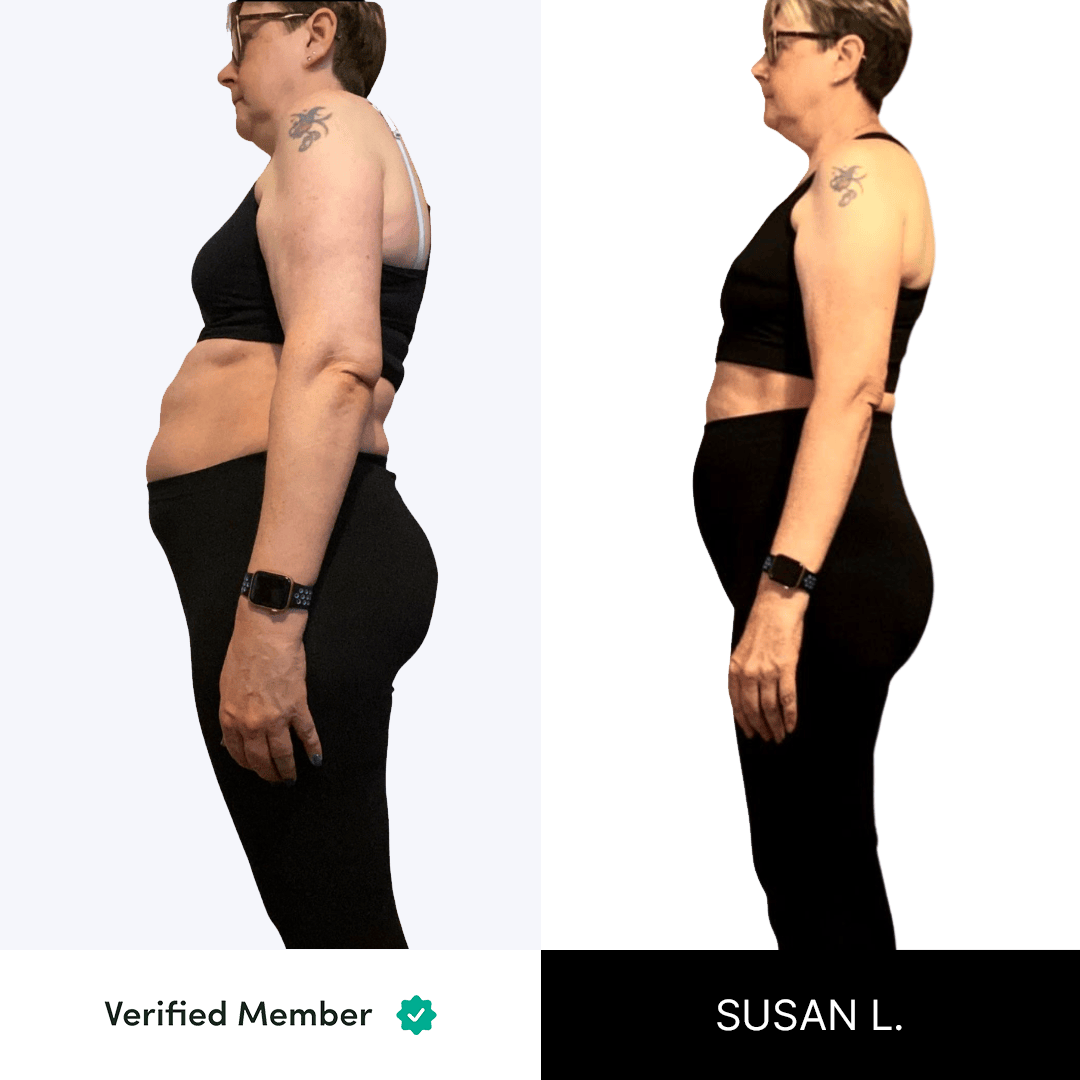
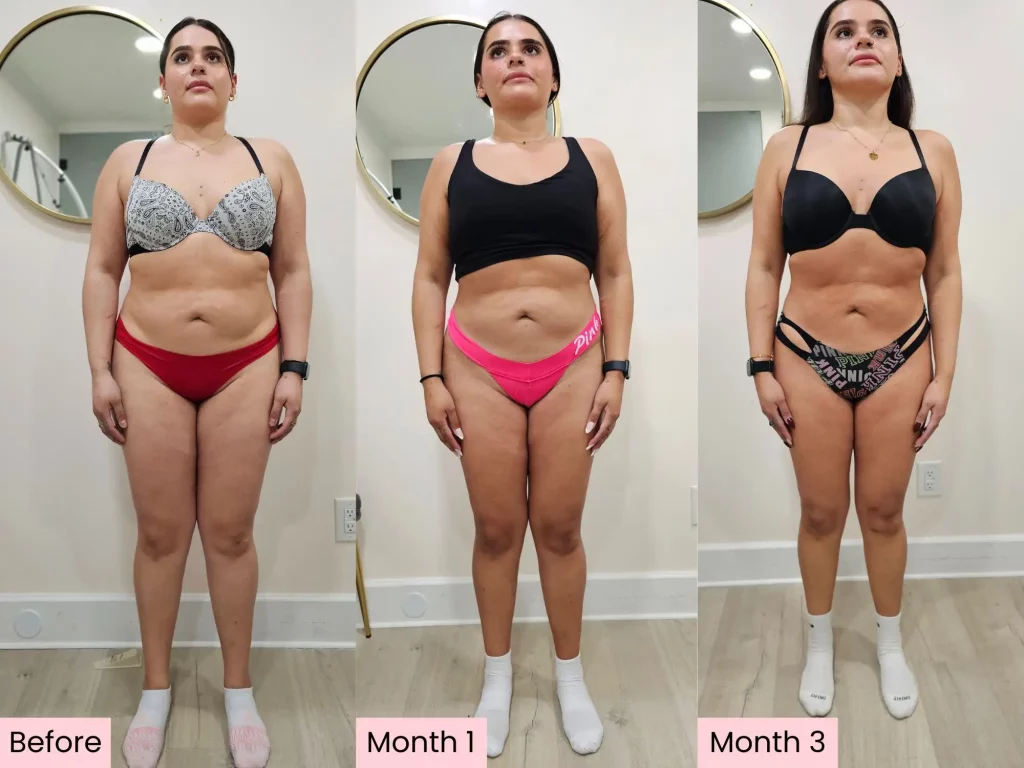
Yes, weight loss is a well-documented secondary effect of Ozempic treatment, though it is not FDA-approved as a weight loss medication. In the SUSTAIN trials, adults treated with Ozempic 1mg lost an average of 12 to 14 lbs (5.5 to 6.4 kg) over 40 weeks, alongside their A1C reductions. The 2mg dose produces somewhat greater weight loss than 1mg.
If your primary treatment goal is weight loss rather than diabetes management, ask your prescriber about Wegovy, which contains the same active ingredient at higher doses (up to 7.2mg) specifically designed for chronic weight management. Wegovy has produced 15.3% to 20.7% mean weight loss in clinical trials, compared to roughly 5% to 7% with Ozempic.
Ozempic in clinical trials
The SUSTAIN clinical trial program tested Ozempic across more than 8,000 patients in over a dozen studies. Below are the most significant trials shaping current prescribing.
| Trial | Comparison & Duration | Primary Outcome | Key Finding |
|---|---|---|---|
| SUSTAIN-1 to SUSTAIN-5 | Ozempic vs placebo, sitagliptin, exenatide, insulin glargine | A1C reduction | Statistically significant A1C reductions across all comparators. |
| SUSTAIN-6 | 2 yr, 3,297 adults with T2D + heart disease | Cardiovascular outcomes | 26% reduction in major cardiovascular events. |
| SUSTAIN-7 | 40 wk, head-to-head vs Trulicity (dulaglutide) | A1C and weight loss | Ozempic outperformed Trulicity in both A1C and weight loss. |
| SUSTAIN FORTE | 40 wk, Ozempic 2mg vs 1mg | A1C reduction | 2mg dose produced superior A1C reduction (2.1% vs 1.9%). |
| FLOW | 3 yr, ~3,500 adults with T2D + chronic kidney disease | Kidney and cardiovascular outcomes | 24% risk reduction in kidney outcomes; 5% reduction in CV death. |
Key takeaways: Ozempic is one of the most extensively studied medications in diabetes care. The combined SUSTAIN, FLOW, and PIONEER trial programs have enrolled more than 15,000 patients and consistently demonstrated benefits beyond glycemic control, including reduced cardiovascular events, slower progression of kidney disease, and modest weight loss. Ozempic now holds three distinct FDA indications, more than most diabetes medications.
Is Ozempic right for me?
Eligibility is determined by a licensed clinician who reviews your medical history, current medications, and weight-related health conditions. Ozempic is appropriate for adults with type 2 diabetes who need additional support beyond lifestyle changes and metformin. It is particularly well-suited to patients with established cardiovascular disease, chronic kidney disease, or both. To begin, complete a confidential online consultation at Vitercure. A clinician will assess whether Ozempic is clinically appropriate, and if not, may recommend an alternative such as Trulicity, Mounjaro, or oral diabetes medications.
Ozempic doses
Ozempic is supplied in prefilled, multi-dose injection pens at three approved maintenance doses: 0.5mg, 1mg, and 2mg. Treatment begins at a starter dose of 0.25mg, which is not a maintenance dose, and increases gradually over several months. This step-by-step process is called titration, and it gives the body time to adjust, reduces gastrointestinal side effects, and identifies the lowest effective dose for each patient.
Standard Ozempic dosing schedule
| Weeks | Dose | Frequency | Purpose |
|---|---|---|---|
| 1 to 4 | 0.25mg | Once weekly | Starter dose. Helps the body acclimate. Not a maintenance dose; not approved for blood sugar control. |
| 5 to 8 | 0.5mg | Once weekly | First approved maintenance dose. Many patients achieve A1C goals at this level. |
| 9 onward (if needed) | 1mg | Once weekly | Step-up if 0.5mg does not provide sufficient A1C reduction after 4 weeks. |
| 13 onward (if needed) | 2mg | Once weekly | Maximum dose. Used in patients with elevated A1C who need additional reduction. |
Your prescriber may adjust this schedule based on your A1C response, side effects, and treatment goals. Some patients stay at 0.5mg long-term if their diabetes is well-controlled at that level. The 2mg dose is reserved for patients who need additional glycemic support beyond what 1mg provides.
How long does each Ozempic pen last?
Each Ozempic pen contains 4mL of medication, but the dose-per-pen depends on the strength prescribed:
- 0.25mg/0.5mg pen: contains 4 doses of 0.5mg or 8 doses of 0.25mg (1 month at 0.5mg)
- 1mg pen: contains 4 doses of 1mg (1 month)
- 2mg pen: contains 4 doses of 2mg (1 month)
Each pen is intended for approximately one month of use at the labeled maintenance dose. Once a pen is in use, it can be kept at room temperature for up to 56 days before discarding.
Why is dose titration necessary?
Titration protects you from severe side effects. Starting Ozempic directly at 1mg or 2mg dramatically increases the risk of nausea, vomiting, and other gastrointestinal symptoms. By increasing the dose in 4-week intervals, your body gradually adapts to the medication. New patients must always start at 0.25mg.
What if I miss a dose?
If your next scheduled dose is more than 2 days away, take the missed dose as soon as you remember and continue your regular weekly schedule. If your next scheduled dose is within 2 days, skip the missed dose entirely and resume on your normal day. Never inject two doses in close succession to make up for a missed dose. If you have missed doses for more than two weeks, contact your prescriber before resuming, as you may need to restart titration.
Ozempic eligibility
The FDA approval for Ozempic covers three distinct indications:
For type 2 diabetes (glycemic control)
- Adults with type 2 diabetes mellitus who need improved blood sugar control alongside diet and exercise.
- Typically prescribed when metformin alone is insufficient, although Ozempic may be prescribed earlier in the treatment plan based on individual factors.
For cardiovascular risk reduction
- Adults with type 2 diabetes AND established cardiovascular disease (history of heart attack, stroke, or peripheral artery disease).
- Indication added in 2020 following the SUSTAIN-6 trial.
For kidney and cardiovascular protection in T2D + CKD
- Adults with type 2 diabetes AND chronic kidney disease.
- Most recent FDA indication, added in January 2025 following the FLOW trial.
- Ozempic is the only GLP-1 receptor agonist approved to address both kidney disease and cardiovascular risk in this patient population.
Ozempic is not FDA-approved for type 1 diabetes, diabetic ketoacidosis, or as a primary weight loss medication. Your prescriber will review your full medical history, current medications, and laboratory work before deciding whether Ozempic is appropriate.

How to get Ozempic online safely
Ozempic can only be obtained legally with a valid prescription from a licensed healthcare provider. Through Vitercure, the process is straightforward:
- Complete a confidential online questionnaire covering your weight, medical history, current medications, and recent A1C results if available.
- A licensed clinician reviews your information through our HIPAA-compliant telehealth platform.
- If Ozempic is appropriate, the clinician issues a valid prescription.
- Your medication is shipped in plain, discreet, temperature-controlled packaging.
Avoid any seller offering Ozempic or generic semaglutide without a prescription consultation. Counterfeit and compounded semaglutide products have been documented in the U.S. supply chain, and unregulated injectables carry significant safety risks including incorrect dosing, contamination, and inactive ingredients. Always verify that any supplier is dispensing FDA-approved Novo Nordisk Ozempic.
What’s included with your Ozempic order
Each Ozempic shipment from Vitercure includes:
- Ozempic prefilled injection pens at your prescribed dose, factory-sealed by Novo Nordisk
- Single-use 32G pen needles compatible with the Ozempic pen
- FDA-approved patient information leaflet and Medication Guide
- Sharps container for safe needle disposal (included with first orders)
- Cold-chain insulated packaging to maintain medication integrity in transit
You also receive ongoing access to clinical support through Vitercure, including dose adjustment consultations and side-effect management guidance, at no additional cost.
How to take Ozempic
Ozempic is administered as a once-weekly subcutaneous injection. The pen is designed to be used at home with no additional preparation required. Comprehensive instructions are included with each order, and Vitercure clinical staff are available to walk first-time patients through their initial dose if needed.
Best injection sites
Ozempic can be injected into three areas:
- Abdomen, at least two inches away from the navel
- Front of the thigh
- Back of the upper arm (typically requires assistance)
Rotate injection sites each week to reduce the risk of skin reactions or lipohypertrophy (fatty lumps that can develop with repeated injections in the same spot). Use a fresh needle for each injection.
Timing and food
Ozempic can be injected at any time of day, with or without food. The most important factor is consistency: take your dose on the same day every week to maintain steady drug levels in your system. Many patients choose Sunday evening or Monday morning to anchor the dose to a memorable weekly routine.
Replacing pen needles
A new sterile needle must be used for each injection. After every dose, remove the needle, recap it carefully, and dispose of it in a sharps container. Never reuse needles, as this increases infection risk and can damage the pen mechanism.
Ozempic side effects
The most common side effects of Ozempic are gastrointestinal and tend to occur during the first weeks at a new dose level. They are usually mild and resolve as the body adjusts.
Common side effects (5% or more of patients)
- Nausea
- Diarrhea
- Vomiting
- Constipation
- Abdominal pain
- Reduced appetite
- Indigestion or acid reflux
- Fatigue
- Mild injection site reactions (redness, itching, or bruising)
Serious side effects (rare but require immediate medical attention)
- Pancreatitis: severe, persistent abdominal pain that may radiate to the back, often with nausea or vomiting
- Gallbladder problems: upper right abdominal pain, fever, jaundice, or unusual stool color
- Severe allergic reactions: rash, swelling of the face or throat, difficulty breathing
- Kidney issues: often related to dehydration from prolonged vomiting or diarrhea
- Diabetic retinopathy complications in patients with pre-existing diabetic eye disease (a known risk specific to rapid A1C reduction)
- Severe hypoglycemia when used in combination with insulin or sulfonylureas
- Increased heart rate at rest
Boxed warning: Semaglutide caused thyroid C-cell tumors in animal studies. It is not known whether this risk applies to humans, but Ozempic is contraindicated in patients with a personal or family history of medullary thyroid carcinoma (MTC) or Multiple Endocrine Neoplasia syndrome type 2 (MEN 2).
Managing side effects
Most early side effects can be reduced or prevented with simple measures:
- Stay well hydrated, especially during the first weeks of each new dose
- Eat smaller meals and stop eating before you feel full
- Limit greasy, fried, or very rich foods, which often trigger nausea
- Take a daily fiber supplement if constipation develops
- Use over-the-counter antacids if heartburn becomes uncomfortable
- Pace your dose escalation; do not rush to the next dose tier if you are still adjusting
If side effects persist, worsen, or interfere with daily life, contact your prescriber. They can adjust your dose schedule, hold the dose at the current level for an additional cycle, or recommend a different treatment.
Storage, diet, and lifestyle
How to store Ozempic
Unused Ozempic pens must be refrigerated between 36°F and 46°F (2°C to 8°C). Do not freeze the medication, and do not use a pen that has been frozen even if it has thawed. Once a pen is in use, it can be kept at room temperature (up to 86°F or 30°C) or refrigerated for up to 56 days. Discard any pen used or unused beyond the 56-day in-use period.
Traveling with Ozempic
Ozempic can be carried in your hand luggage when flying. Keep it in an insulated cooler bag with cold packs to maintain temperature, and bring a copy of your prescription. Do not place Ozempic in checked baggage as cargo holds can experience extreme temperature fluctuations that may damage the medication.
Diet on Ozempic
Ozempic works most effectively when paired with a balanced, diabetes-conscious diet. Focus on:
- Lean protein at each meal to stabilize blood sugar and preserve muscle mass
- High-fiber carbohydrates such as whole grains, legumes, and vegetables to slow glucose absorption
- Healthy fats including olive oil, avocados, and nuts
- Adequate hydration, ideally 64 oz (2 liters) of water or more daily
- Smaller, frequent meals rather than large portions, especially during dose escalation
Foods to limit include sugary beverages, refined carbohydrates, and ultra-processed foods, which contribute to glucose spikes and can blunt the medication’s benefits.
Alcohol and Ozempic
Alcohol does not directly interact with semaglutide, but it can cause dangerous swings in blood sugar in patients with diabetes, intensify gastrointestinal side effects, and contribute to dehydration. Most clinicians recommend limiting alcohol intake during active treatment, particularly for patients who also take insulin or sulfonylureas.
Exercise and Ozempic
Physical activity is strongly recommended alongside Ozempic. Aerobic exercise improves insulin sensitivity, lowers blood sugar, and supports cardiovascular health. Resistance training preserves lean muscle mass and improves glycemic control. Even modest activity, such as a daily 30-minute walk and two short strength sessions per week, materially improves long-term outcomes.

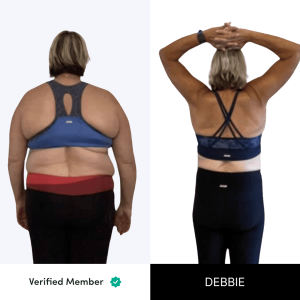

Ozempic vs Wegovy vs Trulicity vs Mounjaro
Ozempic is one of several injectable GLP-1-based therapies available in the United States. Each has a distinct FDA indication, dose range, and clinical profile. Your prescriber will choose the best fit based on your medical history and treatment goals.
| Feature | Ozempic | Wegovy | Trulicity | Mounjaro |
|---|---|---|---|---|
| Active ingredient | Semaglutide | Semaglutide | Dulaglutide | Tirzepatide |
| Mechanism | GLP-1 agonist | GLP-1 agonist | GLP-1 agonist | Dual GIP + GLP-1 agonist |
| Primary FDA indication | Type 2 diabetes | Weight management | Type 2 diabetes | Type 2 diabetes |
| Cardiovascular benefit | Yes (T2D + heart disease) | Yes (without diabetes) | Yes (T2D + risk factors) | Trial in progress |
| Kidney protection | Yes (T2D + CKD) | Indirect (via weight loss) | No specific indication | No specific indication |
| Maximum dose | 2mg/week | 2.4mg/week (or 7.2mg HD) | 4.5mg/week | 15mg/week |
| Avg A1C reduction | 1.8% (1mg) / 2.1% (2mg) | Not primary endpoint | 1.4% (1.5mg) | 2.0% to 2.4% |
| Manufacturer | Novo Nordisk | Novo Nordisk | Eli Lilly | Eli Lilly |
Bottom line: Ozempic is the GLP-1 medication with the most extensive evidence base for type 2 diabetes patients with cardiovascular and kidney complications. If your goal is glycemic control with proven cardiovascular and kidney protection, Ozempic is a strong choice. If your goal is weight loss specifically, Wegovy (same active ingredient, higher doses) is FDA-approved for that purpose. If you prefer a dual-mechanism option for diabetes, Mounjaro produces somewhat greater A1C reduction.
Frequently asked questions
Is Ozempic a weight loss medication?
Ozempic is FDA-approved for type 2 diabetes, cardiovascular risk reduction, and kidney protection in patients with diabetes and CKD. It is not FDA-approved as a weight loss medication, although weight loss is a documented secondary effect of treatment. If your primary goal is weight loss, your prescriber will likely recommend Wegovy, which contains the same active ingredient at higher doses and is FDA-approved for chronic weight management.
How much weight will I lose on Ozempic?
In clinical trials, adults treated with Ozempic 1mg lost an average of 12 to 14 lbs over 40 weeks. The 2mg dose produces somewhat greater weight loss. Individual results vary significantly. For patients prioritizing weight loss, Wegovy (semaglutide at higher doses) produces 15.3% to 20.7% mean weight loss in clinical trials, considerably more than Ozempic.
What is the difference between Ozempic and Wegovy?
Ozempic and Wegovy both contain semaglutide and are both manufactured by Novo Nordisk. The differences are dose, indication, and intended use. Ozempic is dosed up to 2mg weekly and is FDA-approved for type 2 diabetes, cardiovascular risk reduction, and kidney protection. Wegovy is dosed up to 2.4mg (or 7.2mg with Wegovy HD) and is FDA-approved for chronic weight management, cardiovascular risk reduction, and adolescent obesity. Patients seeking diabetes treatment receive Ozempic; patients seeking weight loss receive Wegovy.
Can I take Ozempic if I am not diabetic?
Ozempic is FDA-approved only for adults with type 2 diabetes. Prescribing it for weight loss alone in patients without diabetes is considered off-label. Most clinicians will instead prescribe Wegovy, which contains the same active ingredient and is FDA-approved for chronic weight management without requiring a diabetes diagnosis.
Will I gain weight back if I stop Ozempic?
Most patients who discontinue Ozempic without sustained lifestyle changes regain weight over the following 12 to 18 months. Blood sugar control also typically deteriorates after discontinuation. This is why many clinicians recommend treating type 2 diabetes as a chronic condition requiring ongoing management.
Does Ozempic protect my kidneys?
Yes. As of January 2025, Ozempic is FDA-approved to reduce the risk of kidney disease progression and cardiovascular death in adults with both type 2 diabetes and chronic kidney disease. The FLOW trial showed a 24% reduction in major kidney outcomes compared to placebo. This makes Ozempic the only GLP-1 receptor agonist approved for this combined indication.
Does Ozempic prevent heart attack and stroke?
In adults with type 2 diabetes and established cardiovascular disease, yes. The SUSTAIN-6 trial showed a 26% reduction in major cardiovascular events (heart attack, stroke, or cardiovascular death) compared to placebo. Ozempic is FDA-approved for this indication. In patients without diabetes, the cardiovascular benefit has not been studied directly with Ozempic; the related medication Wegovy has shown a 20% reduction in this population (SELECT trial).
Why am I not losing weight on Ozempic?
Ozempic produces less weight loss on average than dedicated weight loss medications because its dosing is calibrated for diabetes management rather than weight reduction. If weight loss has slowed or stopped, common causes include: not being in a calorie deficit despite reduced appetite, hitting a natural weight loss plateau, needing a higher dose tier, or insufficient time at the current dose. Speak with your prescriber about whether switching to Wegovy may better support your weight loss goals.
Does Ozempic affect birth control?
Semaglutide may slightly reduce the absorption of oral contraceptive pills due to slowed gastric emptying. This effect is generally less pronounced than with newer dual-mechanism GLP-1s, but patients using oral birth control may want to consider adding a barrier method or switching to a non-oral contraceptive option (such as an IUD or implant) for additional protection during titration.
Can I drink alcohol on Ozempic?
Alcohol does not directly interact with Ozempic, but it can cause dangerous swings in blood sugar (particularly low blood sugar in patients on insulin or sulfonylureas), intensify nausea, and contribute to dehydration. Light, occasional drinking is generally tolerated for patients with stable blood sugar control, but heavy or frequent drinking is not advised during active treatment.
Is Ozempic safe long-term?
Yes. Ozempic has been on the market since 2017 and has accumulated one of the largest long-term safety datasets of any GLP-1 medication. The SUSTAIN-6 trial followed patients for over two years with no new safety signals, and ongoing post-marketing studies continue to track outcomes. Most patients tolerate Ozempic well at maintenance doses.
Can I switch from Ozempic to Wegovy or Mounjaro?
Yes. Many patients switch from Ozempic to Wegovy when their primary goal shifts from diabetes management to weight loss. Switches between GLP-1 medications are common and generally well-tolerated. Your prescriber will typically recommend a brief washout period (one to two weeks) between your last Ozempic dose and the first dose of your new medication. Always follow professional guidance when switching.
How does Ozempic compare to insulin?
Ozempic and insulin work through entirely different mechanisms. Insulin directly lowers blood sugar by promoting glucose uptake into cells. Ozempic improves the body’s own insulin response and reduces glucagon production. Many patients use both medications together, particularly when basal insulin is needed for fasting glucose and Ozempic provides post-meal control. Ozempic does not typically cause hypoglycemia on its own, while insulin does. Your prescriber will determine the best combination for your situation.
Additional information
| Choose Dose | 0.25mg/0.5mL Starter dose, 0.5mg/0.5mL Step-up dose, 1mg/0.5mL Step-up dose |
|---|
Related products
-
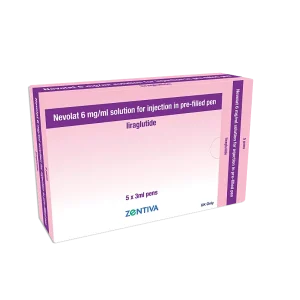
Buy Nevolat (Liraglutide) Online
Price range: $40.00 through $600.00 Select options This product has multiple variants. The options may be chosen on the product page -
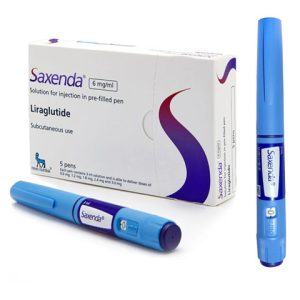
Buy Saxenda Injection Online
Price range: $230.00 through $1,150.00 Select options This product has multiple variants. The options may be chosen on the product page -
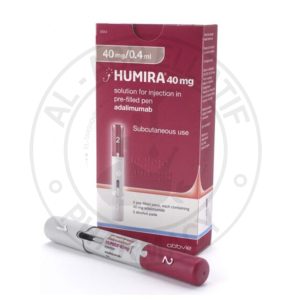
Humira Injection Pens for Sale Online
$4,500.00 Select options This product has multiple variants. The options may be chosen on the product page -
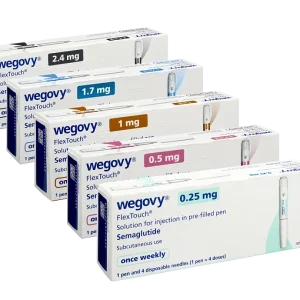
Buy Wegovy Weight Loss Injection
$1,000.00 Select options This product has multiple variants. The options may be chosen on the product page
Reviews
There are no reviews yet.