
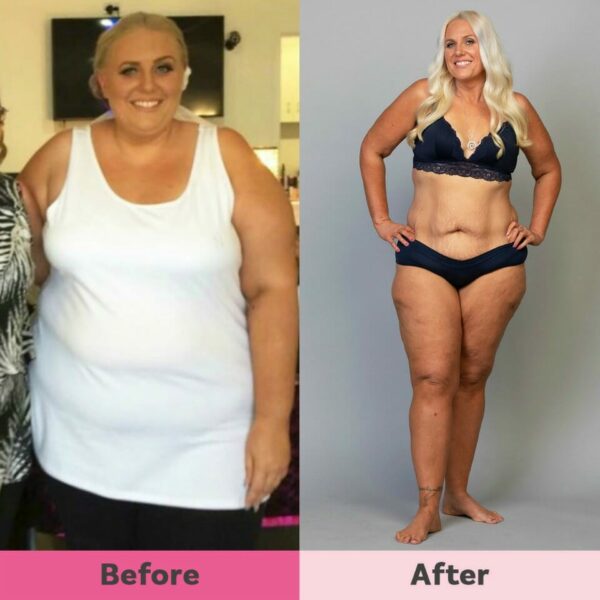
Buy Zepbound (Tirzepatide) Online for Weight Loss & Sleep Apnea
Price range: $277.00 through $420.00
Description
Buy Zepbound (tirzepatide) Online
Zepbound (tirzepatide) is the first and only FDA-approved obesity treatment that activates both GIP (glucose-dependent insulinotropic polypeptide) and GLP-1 (glucagon-like peptide-1) hormone receptors. Manufactured by Eli Lilly, Zepbound was approved by the FDA in November 2023 and has rapidly become the #1 prescribed injectable obesity-management medication in the United States.
In the landmark SURMOUNT-1 phase 3 clinical trial, adults taking the maximum 15mg dose lost an average of 22.5% of their body weight over 72 weeks, the highest weight loss outcome of any FDA-approved medication studied. In a direct head-to-head trial published in 2024 (SURMOUNT-5), Zepbound produced 47% greater relative weight loss than Wegovy (20.2% vs 13.7%), the first and only superiority result ever demonstrated between two FDA-approved weight loss medications.
Zepbound is available at Vitercure through licensed clinicians who review your medical history before issuing a prescription. All orders ship in plain, discreet packaging with cold-chain delivery to maintain medication integrity.
What is Zepbound?
Zepbound is the brand name for tirzepatide at doses of 2.5mg, 5mg, 7.5mg, 10mg, 12.5mg, and 15mg, prescribed specifically for chronic weight management in adults. The same active ingredient (tirzepatide) is also sold under the brand name Mounjaro, which is FDA-approved for type 2 diabetes rather than weight loss. Zepbound and Mounjaro are not interchangeable in clinical practice, although they contain identical active medication, because each carries a distinct FDA indication.
Zepbound is described as a dual agonist because it activates both the GIP and GLP-1 receptors simultaneously. Most older weight loss injections (including Wegovy, Ozempic, and Saxenda) activate only the GLP-1 receptor. The dual mechanism is responsible for the higher average weight loss observed in clinical trials.
Zepbound has been approved for two distinct conditions:
- Chronic weight management in adults with obesity or overweight plus a weight-related medical problem (FDA approval, November 2023)
- Moderate-to-severe obstructive sleep apnea (OSA) in adults with obesity (FDA approval, December 2024) — the first medication ever approved for OSA
This dual-indication approval is unique. No other weight loss medication is approved to treat OSA, making Zepbound a meaningful option for patients living with both conditions.
Who manufactures Zepbound?
Zepbound is manufactured by Eli Lilly and Company, an American pharmaceutical company founded in 1876 and headquartered in Indianapolis, Indiana. Eli Lilly has nearly 150 years of experience producing prescription medications across diabetes, oncology, mental health, and metabolic disorders. The company launched Mounjaro for type 2 diabetes in May 2022, followed by Zepbound for chronic weight management in November 2023. As of 2025, Zepbound is the most prescribed injectable obesity-management medication in the United States.


How does Zepbound work?
Zepbound works through three connected mechanisms that combine to support weight loss and metabolic health:
- Appetite suppression. By activating both GLP-1 and GIP receptors, Zepbound signals satiety centers in the brain. Patients typically experience reduced hunger, fewer cravings, and a noticeable quieting of intrusive food-focused thoughts often described as “food noise.”
- Slower gastric emptying. Food leaves the stomach more slowly than usual, which extends the feeling of fullness after meals and reduces the urge to snack between them.
- Improved insulin response. Zepbound helps the pancreas release insulin more efficiently in response to meals and reduces glucagon production. The result is steadier blood sugar levels and fewer hunger spikes driven by glucose crashes.
The dual GIP/GLP-1 mechanism is what differentiates Zepbound from older single-receptor weight loss medications. GIP receptor activation appears to enhance appetite regulation, improve fat metabolism, and may also reduce gastrointestinal side effects relative to GLP-1-only therapy at equivalent weight loss outcomes.
How quickly does Zepbound start working?
Most patients begin to notice appetite changes within the first one to two weeks of treatment, though the experience varies. Common early effects include:
- Reduced hunger between meals
- Smaller portion sizes feel satisfying
- Fewer cravings for high-calorie or high-sugar foods
- A noticeable quieting of intrusive thoughts about food
Visible weight loss takes longer. The starter dose of 2.5mg is intended primarily to help your body adjust and is not approved as a long-term maintenance dose. Most patients see meaningful changes on the scale only once they reach the 5mg or 7.5mg dose tier. Steady, visible progress generally appears between months two and four.
How effective is Zepbound for weight loss?
Zepbound has produced the largest average weight loss of any pharmacological treatment studied in modern phase 3 trials, including a head-to-head superiority result against Wegovy.
In the landmark SURMOUNT-1 trial, published in the New England Journal of Medicine in 2022, adults without diabetes taking the 15mg dose lost an average of 22.5% of their starting body weight over 72 weeks. For a patient starting at 220 lbs, that is an average loss of approximately 50 lbs.
The most clinically significant comparative finding came from the SURMOUNT-5 head-to-head trial in 2024, the first direct comparison between two FDA-approved weight loss medications. Adults treated with Zepbound lost an average of 20.2% of body weight, compared to 13.7% with Wegovy, a 47% greater relative weight loss. Zepbound met the primary endpoint and all five key secondary endpoints in the trial.
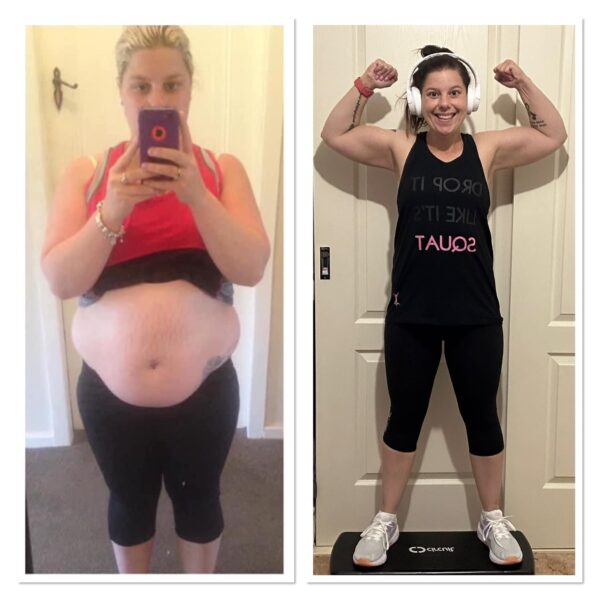
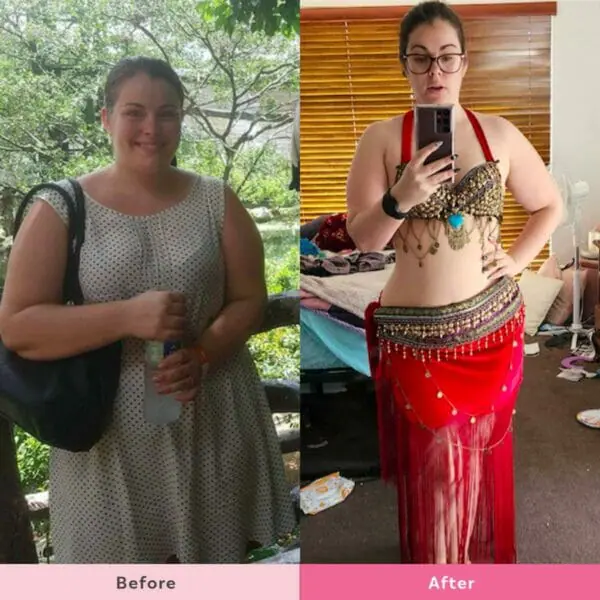
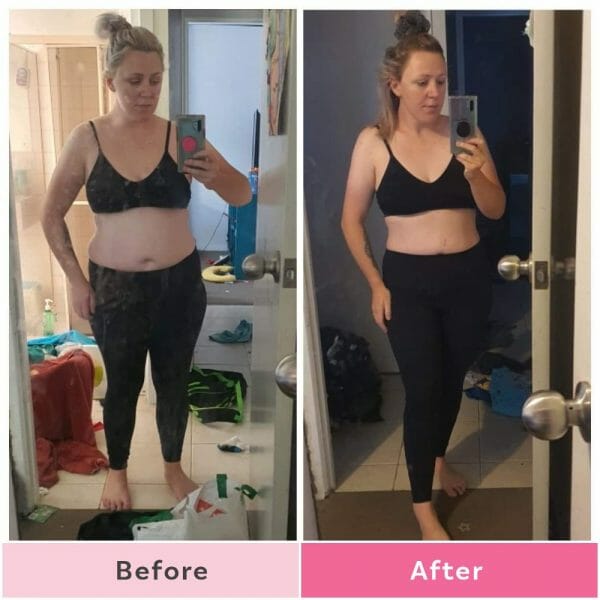
Individual results vary based on starting weight, dose, treatment duration, diet, physical activity, and underlying medical conditions.
Zepbound in clinical trials
The SURMOUNT clinical trial program tested tirzepatide across five major studies enrolling more than 5,000 participants worldwide. SURMOUNT-1 through SURMOUNT-4 supported initial approval, while SURMOUNT-5 demonstrated head-to-head superiority over Wegovy.
| Trial | Duration & Size | Highest Avg Weight Loss | Key Finding |
|---|---|---|---|
| SURMOUNT-1 | 72 weeks, 2,539 adults without diabetes | 22.5% (15mg dose) | 57% of participants lost 20% or more of body weight. |
| SURMOUNT-2 | 72 weeks, 938 adults with type 2 diabetes | 14.7% (15mg dose) | Strong weight loss in patients with diabetes alongside meaningful glycemic improvement. |
| SURMOUNT-3 | 72 weeks, 806 adults after a structured lifestyle program | 21.1% | Effective even in patients who had already lost weight through diet and exercise alone. |
| SURMOUNT-4 | 88 weeks, ~700 adults | 21% during initial phase | Continued treatment maintained weight loss; switching to placebo led to substantial regain. |
| SURMOUNT-5 (head-to-head) | 72 weeks, 751 adults | 20.2% (vs 13.7% Wegovy) | First and only superiority result vs another FDA-approved weight loss medication. |
Key takeaways: across all five SURMOUNT trials, Zepbound consistently produced 14% to 22.5% average weight loss, with the head-to-head data confirming superior efficacy compared to the leading semaglutide-based alternative. The vast majority of patients (80% to 90%) lost at least 5% of body weight, and many achieved reductions of 20% or more, comparable to outcomes from bariatric surgery.
Is Zepbound right for me?
Eligibility is determined by a licensed clinician who reviews your medical history, current medications, and weight-related health conditions. Zepbound may be a particularly strong fit if you have not responded adequately to a single-receptor GLP-1 medication like Wegovy or Saxenda, if you have moderate-to-severe obstructive sleep apnea alongside obesity, or if your prescriber recommends starting with the most clinically effective option available. To begin, complete a confidential online consultation at Vitercure. A clinician will assess whether Zepbound is clinically appropriate, and if not, may recommend an alternative.
Zepbound doses and delivery formats
Zepbound is supplied in two delivery formats: prefilled single-use injection pens and single-dose vials. Both formats deliver the same medication with equivalent clinical efficacy. Your prescriber will recommend the format that best fits your preferences and circumstances.
Available dose strengths
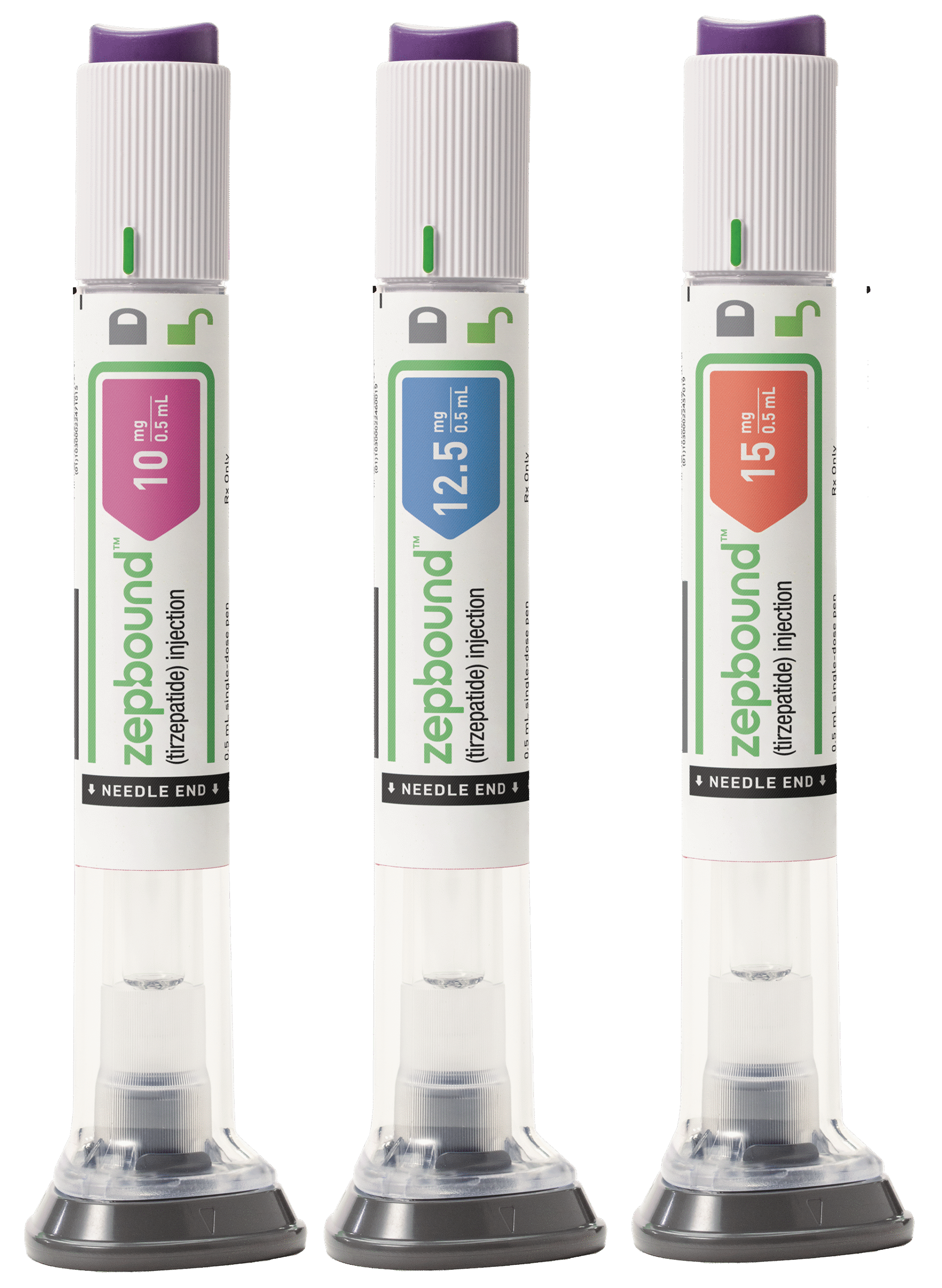
Zepbound is available at six dose strengths: 2.5mg, 5mg, 7.5mg, 10mg, 12.5mg, and 15mg. Treatment begins at 2.5mg (the starter dose, not approved for long-term use) and increases gradually over several months. The recommended maintenance doses are 5mg, 10mg, or 15mg injected subcutaneously once per week.
Treatment escalates step by step in a process called titration, which gives the body time to adjust, reduces gastrointestinal side effects, and identifies the lowest effective dose for each patient. Most patients reach a maintenance dose between 5mg and 15mg, depending on tolerance and weight loss progress. Not everyone needs to reach 15mg to achieve their goals.
Standard Zepbound dosing schedule
| Weeks | Dose | Frequency | Purpose |
|---|---|---|---|
| 1 to 4 | 2.5mg | Once weekly | Starter dose. Helps the body acclimate. Not approved for long-term use. |
| 5 to 8 | 5mg | Once weekly | First approved maintenance dose. Many patients achieve goals at this level. |
| 9 to 12 | 7.5mg | Once weekly | Continued escalation if 5mg is well tolerated and additional support is clinically indicated. |
| 13 to 16 | 10mg | Once weekly | Approved maintenance dose. Most patients see consistent weight loss by this stage. |
| 17 to 20 | 12.5mg | Once weekly | Higher dose tier for patients who need additional clinical support. |
| 21 onward | 15mg | Once weekly | Maximum approved maintenance dose. The dose used in the SURMOUNT-1 trial. |
Your prescriber may adjust this schedule based on your response, side effects, and treatment goals. Some patients stay at a lower maintenance dose if they are achieving their goals and tolerating the medication well.
KwikPen vs single-dose vial
Zepbound is available in two delivery formats:
- KwikPen: A four-dose multi-dose pen that delivers a full month of treatment in one device. The KwikPen is convenient, requires no separate needle for each injection at higher doses, and can be more compact for travel.
- Single-dose vial: A traditional vial format used with a syringe and needle. Vials are the most cost-accessible option through Lilly’s self-pay program and are typically chosen by patients seeking the lowest direct-pay pricing.
Both formats deliver identical clinical efficacy. Your prescriber will help you decide based on lifestyle, comfort with self-injection, insurance coverage, and pricing preferences.
Why is dose titration necessary?
Titration protects you from severe side effects. Starting Zepbound directly at a high dose dramatically increases the risk of nausea, vomiting, and other gastrointestinal symptoms. By increasing the dose in 4-week intervals, your body gradually adapts to the medication. New patients must always start at 2.5mg.
What if I miss a dose?
If your next scheduled dose is more than four days away, take the missed dose as soon as you remember and continue your regular weekly schedule. If your next scheduled dose is within four days, skip the missed dose entirely and resume on your normal day. Never inject two doses in close succession to make up for a missed dose. If you have missed doses for more than two weeks, contact your prescriber before resuming, as you may need to restart titration.
Zepbound eligibility
The FDA approval for Zepbound covers two distinct indications:
For chronic weight management
- BMI of 30 or higher (clinical obesity), regardless of other health conditions.
- BMI of 27 or higher (overweight) plus at least one weight-related condition such as type 2 diabetes, high blood pressure (hypertension), high cholesterol (dyslipidemia), obstructive sleep apnea, or cardiovascular disease.
For obstructive sleep apnea (OSA)
- Adults with moderate-to-severe OSA and obesity may be prescribed Zepbound to improve their OSA symptoms alongside weight loss benefits.
- OSA must be confirmed through a sleep study (polysomnography or home sleep apnea testing).
Zepbound is the first medication ever approved for OSA in adults with obesity. This makes it a meaningful option for patients living with both conditions, as the dual approval allows treatment of two related diseases with a single therapy.
Your prescriber will review your full medical history, current medications, and laboratory work before deciding whether Zepbound is appropriate. Zepbound is not approved for use in children, pregnant women, or patients with a history of pancreatitis or severe gastrointestinal disease.
How to get Zepbound online safely
Zepbound can only be obtained legally with a valid prescription from a licensed healthcare provider. Through Vitercure, the process is straightforward:
- Complete a confidential online questionnaire covering your weight, medical history, and current medications.
- A licensed clinician reviews your information through our HIPAA-compliant telehealth platform.
- If Zepbound is appropriate, the clinician issues a valid prescription.
- Your medication is shipped in plain, discreet, temperature-controlled packaging.
Avoid any seller offering Zepbound or generic tirzepatide without a prescription consultation. Counterfeit semaglutide and tirzepatide products have been documented in the U.S. supply chain, and unregulated injectables carry significant safety risks including incorrect dosing, contamination, and inactive ingredients. Always verify that any supplier is dispensing FDA-approved Eli Lilly Zepbound and not compounded or unlicensed alternatives.
What’s included with your Zepbound order
Each Zepbound shipment from Vitercure includes:
- Zepbound at your prescribed dose, factory-sealed by Eli Lilly (KwikPen or single-dose vials based on your prescription)
- Single-use injection needles compatible with the prescribed format
- FDA-approved patient information leaflet
- Sharps container for safe needle disposal (included with first orders)
- Cold-chain insulated packaging to maintain medication integrity in transit
You also receive ongoing access to clinical support through Vitercure, including dose adjustment consultations and side-effect management guidance, at no additional cost.
How to take Zepbound
Zepbound is administered as a subcutaneous injection once a week. Both the KwikPen and single-dose vial formats are designed to be used at home with no additional preparation required. Comprehensive instructions are included with each order, and Vitercure clinical staff are available to walk first-time patients through their initial dose if needed.
Best injection sites
Zepbound can be injected into three areas:
- Abdomen, at least two inches away from the navel
- Front of the thigh
- Back of the upper arm (typically requires assistance)
Rotate injection sites each week to reduce the risk of skin reactions or lipohypertrophy (fatty lumps that can develop with repeated injections in the same spot).
Timing and food
Zepbound can be injected at any time of day, with or without food. The most important factor is consistency: take your dose on the same day every week to maintain steady drug levels in your system.
KwikPen vs vial preparation
The KwikPen requires no preparation beyond attaching a fresh needle and dialing the prescribed dose. Single-dose vials require drawing the dose into a syringe before injection. If you are new to vial-based dosing, Vitercure clinicians can guide you through the technique.
Zepbound side effects
The most common side effects of Zepbound are gastrointestinal and tend to occur during the first weeks at a new dose level. They are usually mild and resolve as the body adjusts.
Common side effects (10% or more of patients)
- Nausea
- Diarrhea
- Constipation
- Vomiting
- Reduced appetite (intended effect, but may feel uncomfortable initially)
- Stomach pain or discomfort
- Indigestion or acid reflux
- Fatigue
- Mild injection site reactions
Serious side effects (rare but require immediate medical attention)
- Pancreatitis: severe, persistent abdominal pain that may radiate to the back, often with nausea or vomiting
- Gallbladder problems: upper right abdominal pain, fever, jaundice, or unusual stool color
- Severe allergic reactions: rash, swelling of the face or throat, difficulty breathing
- Kidney issues: often related to dehydration from prolonged vomiting or diarrhea
- Diabetic retinopathy complications in patients with pre-existing diabetic eye disease
- Severe hypoglycemia in patients also taking insulin or sulfonylureas
Boxed warning: Tirzepatide caused thyroid C-cell tumors in animal studies. It is not known whether this risk applies to humans, but Zepbound is contraindicated in patients with a personal or family history of medullary thyroid carcinoma (MTC) or Multiple Endocrine Neoplasia syndrome type 2 (MEN 2).
Zepbound has not been studied in patients with a history of pancreatitis or severe gastrointestinal disease, including severe gastroparesis. It should not be used with other tirzepatide-containing products (including Mounjaro) or any GLP-1 receptor agonist medicines.
Managing side effects
Most early side effects can be reduced or prevented with simple measures:
- Stay well hydrated, especially during the first weeks of each new dose
- Eat smaller meals and stop eating before you feel full
- Limit greasy, fried, or very rich foods, which often trigger nausea
- Take a daily fiber supplement if constipation develops
- Use over-the-counter antacids if heartburn becomes uncomfortable
- Pace your dose escalation; do not rush to the next dose tier if you are still adjusting
If side effects persist, worsen, or interfere with daily life, contact your prescriber. They can adjust your dose schedule, hold the dose at the current level for an additional cycle, or recommend a different treatment.
Storage, diet, and lifestyle
How to store Zepbound
Unused Zepbound (both KwikPen and vials) must be refrigerated between 36°F and 46°F (2°C to 8°C). Do not freeze the medication, and do not use a pen or vial that has been frozen even if it has thawed. Once removed from the refrigerator, Zepbound can be kept at room temperature (up to 86°F or 30°C) for up to 21 days. Discard any product left at room temperature beyond that.
Traveling with Zepbound
Zepbound can be carried in your hand luggage when flying. Keep it in an insulated cooler bag with cold packs to maintain temperature, and bring a copy of your prescription. Do not place Zepbound in checked baggage as cargo holds can experience extreme temperature fluctuations that may damage the medication.
Diet on Zepbound
Zepbound works most effectively when paired with a balanced, calorie-controlled diet. Focus on:
- Lean protein at each meal to preserve muscle mass during weight loss
- Vegetables and fiber to support digestion and reduce constipation
- Adequate hydration, ideally 64 oz (2 liters) of water or more daily
- Small, frequent meals rather than large portions, especially during dose escalation
Foods to limit or avoid during early treatment include greasy or fried foods, large servings of red meat, very sugary foods, and carbonated beverages, all of which commonly worsen nausea or reflux.
Alcohol and Zepbound
Alcohol does not directly interact with tirzepatide, but it can intensify gastrointestinal side effects, contribute to dehydration, and add empty calories that slow weight loss progress. Most clinicians recommend limiting alcohol intake during active treatment.
Exercise and Zepbound
Physical activity is strongly recommended alongside Zepbound. Aerobic exercise supports cardiovascular health, while resistance training is critical for preserving lean muscle mass during rapid weight loss. Even modest activity, such as a daily 30-minute walk and two short strength sessions per week, materially improves long-term outcomes.
Preventing muscle loss
Any rapid weight loss carries a risk of losing lean muscle mass alongside fat. To minimize this:
- Eat 0.7 to 1.0 grams of protein per pound of target body weight daily
- Include resistance training (bodyweight, bands, or weights) at least twice a week
- Avoid prolonged very-low-calorie eating periods
- Consider a creatine supplement if recommended by your clinician
Zepbound vs Mounjaro vs Wegovy
Zepbound contains the same active ingredient as Mounjaro (tirzepatide) but is FDA-approved for weight loss rather than diabetes. Wegovy contains a different active ingredient (semaglutide) and works through a single GLP-1 receptor mechanism rather than the dual GIP/GLP-1 mechanism in Zepbound.
| Feature | Zepbound | Mounjaro | Wegovy |
|---|---|---|---|
| Active ingredient | Tirzepatide | Tirzepatide | Semaglutide |
| Mechanism | Dual GIP + GLP-1 agonist | Dual GIP + GLP-1 agonist | GLP-1 receptor agonist only |
| FDA approval | Chronic weight management; OSA | Type 2 diabetes | Chronic weight management |
| Avg weight loss in trial | 22.5% (SURMOUNT-1, 15mg, 72 wk) | 22.5% (SURMOUNT-1, 15mg, 72 wk) | 15.3% (STEP-1, 2.4mg, 68 wk) |
| Head-to-head | 20.2% (SURMOUNT-5) | Not tested directly | 13.7% (SURMOUNT-5) |
| Maximum dose | 15mg/week | 15mg/week | 2.4mg/week |
| Manufacturer | Eli Lilly | Eli Lilly | Novo Nordisk |
Bottom line: Zepbound and Mounjaro contain identical medication, but only Zepbound is FDA-approved for weight loss. The 2024 SURMOUNT-5 head-to-head trial demonstrated Zepbound’s clinical superiority over Wegovy by a meaningful margin (47% greater relative weight loss). Your prescriber will choose the medication best suited to your medical history and goals.
Frequently asked questions
How long do I need to stay on Zepbound?
Zepbound is approved for long-term use. Many patients continue indefinitely as part of a chronic weight management plan, similar to how blood pressure or cholesterol medications are taken long-term. Others taper off after reaching their goal, though research from the SURMOUNT-4 trial shows that patients who stop treatment typically regain a substantial portion of the weight they lost.
What is the difference between Zepbound and Mounjaro?
Zepbound and Mounjaro contain the same active ingredient (tirzepatide) and are both manufactured by Eli Lilly. The key difference is FDA indication: Zepbound is approved for chronic weight management and obstructive sleep apnea, while Mounjaro is approved for type 2 diabetes. Patients without diabetes seeking weight loss will receive Zepbound; patients with type 2 diabetes typically receive Mounjaro. The medication itself is identical at equivalent doses.
Will I gain weight back if I stop Zepbound?
Most patients who discontinue Zepbound without sustained lifestyle changes regain weight over the following 12 to 18 months. The SURMOUNT-4 trial showed clearly that the medication’s effects diminish once it is no longer in the body, and appetite typically returns to pre-treatment levels. This is why many clinicians recommend treating obesity as a chronic condition requiring ongoing management.
Is Zepbound better than Wegovy?
In the head-to-head SURMOUNT-5 trial published in 2024, Zepbound produced 47% greater relative weight loss than Wegovy (20.2% vs 13.7% over 72 weeks). This was the first and only direct comparison trial between two FDA-approved weight loss medications, and Zepbound met the primary endpoint plus all five secondary endpoints. However, individual response varies, and some patients tolerate Wegovy better. Your prescriber will help you choose based on your specific situation.
Can I switch from Wegovy to Zepbound?
Yes. Many patients switch from Wegovy to Zepbound for stronger weight loss results, often after a treatment plateau. Your prescriber will typically recommend a brief washout period (usually one to two weeks) between your last Wegovy dose and your first Zepbound dose to minimize side effects. You will typically start Zepbound at 2.5mg and follow the standard titration schedule.
Why am I not losing weight on Zepbound?
If weight loss has slowed or stopped, common causes include: not being in a calorie deficit despite reduced appetite, hitting a natural weight loss plateau (which usually resolves in 4 to 8 weeks), needing a higher dose tier, or insufficient time at the current dose. Speak with your prescriber before assuming the medication is not working.
Does Zepbound treat sleep apnea?
Yes. In December 2024, Zepbound became the first medication ever approved by the FDA for treating moderate-to-severe obstructive sleep apnea (OSA) in adults with obesity. Treatment combines weight loss benefits with measurable improvements in OSA symptoms, often allowing patients to reduce or discontinue CPAP therapy under clinical supervision.
Does Zepbound affect birth control?
Tirzepatide may reduce the absorption of oral contraceptive pills due to slowed gastric emptying, particularly during dose escalation. Patients using oral birth control should consider adding a barrier method or switching to a non-oral contraceptive option (such as an IUD or implant) for at least four weeks after starting Zepbound and after each dose increase.
Can I drink alcohol on Zepbound?
Alcohol does not directly interact with Zepbound, but it can intensify nausea, slow weight loss progress through added calories, and contribute to dehydration. Light, occasional drinking is generally tolerated, but heavy or frequent drinking is not advised during active treatment.
Is Zepbound safe long-term?
Current evidence supports long-term use under medical supervision. SURMOUNT-4 followed patients for 88 weeks and found that those who continued Zepbound maintained their weight loss without new safety concerns. Eli Lilly and independent researchers continue to track outcomes through ongoing post-marketing studies.
What is the “fifth dose” or “extra dose” left in the pen?
Each Zepbound KwikPen contains four weekly doses plus a small reserve volume. This reserve is required for accurate priming of the injection mechanism and is not intended as a fifth dose. Attempting to extract or inject the reserve liquid is not safe; the dose cannot be measured accurately and may result in either an underdose or an overdose. Discard the pen after four doses regardless of remaining liquid.
Will Zepbound affect my menstrual cycle?
Some patients report changes in cycle regularity after starting Zepbound, often related to the broader hormonal effects of weight loss rather than the medication itself. Patients with PCOS often see cycle regularity improve. If your periods change significantly or become irregular, discuss this with your prescriber.
Additional information
| Choose Dose | 2.5mg/0.5mL Starter dose, 5mg/0.5mL Step-up dose, 7.5mg/0.5mL Step-up dose, 10mg/0.5mL Step-up dose, 12.5mg/0.5mL Step-up dose, 15mg/0.5mL Maintenance dose |
|---|
Related products
-
Humira Injection Pens for Sale Online
$4,500.00 Select options This product has multiple variants. The options may be chosen on the product page -
Buy Saxenda Injection Online
Price range: $230.00 through $1,150.00 Select options This product has multiple variants. The options may be chosen on the product page -
Buy Mounjaro Injection For Weight Loss
$920.00 Select options This product has multiple variants. The options may be chosen on the product page -
Buy Trulicity (Dulaglutide) Injection Online
$980.00 Select options This product has multiple variants. The options may be chosen on the product page
Reviews
There are no reviews yet.