
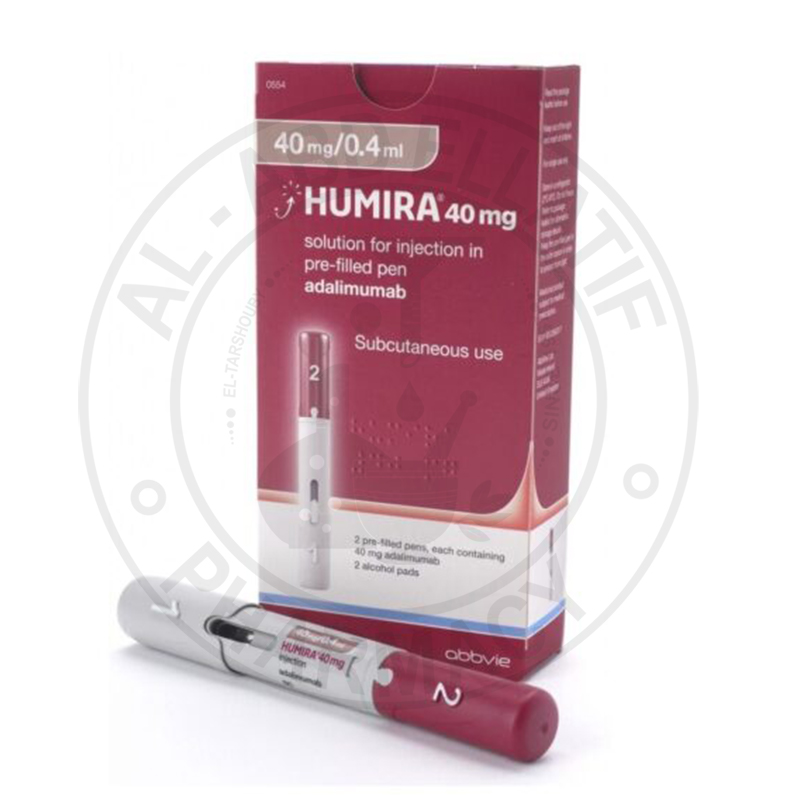
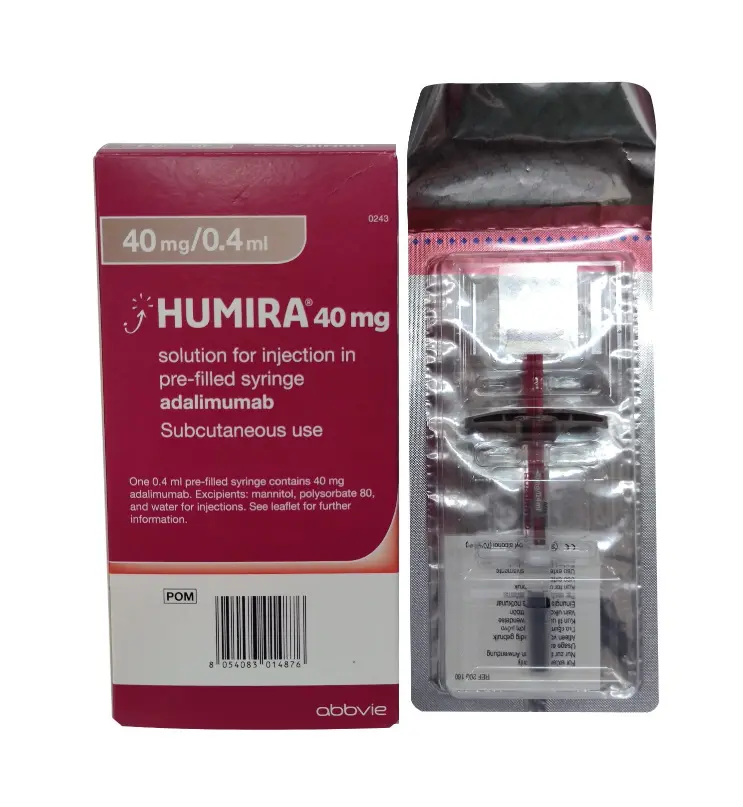
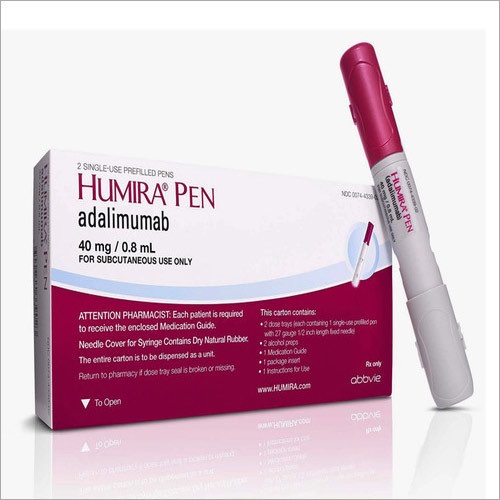





Humira Injection Pens for Sale Online
$4,500.00
The active ingredient in Humira is adalimumab and the medication works the same regardless of whether it is dispensed from Canadian or U.S. pharmacies (as long as it is being sourced from the same manufacturer). The main difference patients usually notice is the price. Many patients choose Canadian pharmacy partners because the medication may be available at significantly lower costs compared to typical U.S. retail prices.
Description
 30 days Guarantee for Humira Injection Pens
Humira is an injectable TNF-blocker medication that is used for the treatment of a variety of different moderate to severe autoimmune conditions. There are already thousands of patients filling their prescriptions at Insulin Outlet. Patients doing so can get Humira and other similar medications from licensed Canadian pharmacy partners and receive up to 80% savings compared to typical U.S. prices. This helps make essential medications more affordable to those who need them.
 Humira Drug Facts
| Active Ingredient | Adalimumab |
|---|---|
| Type | TNF blocker |
| Manufacturer | AbbVie |
| Onset of Action | Between 2 weeks and 12 weeks or longer (depending on the patient and condition) |
| Duration | Around 14 days (10 to 20 days in most cases) |
| Form |
|
| Origin | United Kingdom |
| Uses |
|
| Administration | Injected subcutaneously |
| Dosage | Adult Dosing
Pediatric Dosing (Weight-Based Where Applicable)
|
| Dosage Frequency | Varies by condition (often weekly or every two weeks) |
| Storage |
|
 About Humira Pens
Humira is a TNF-blocker medication that is used to treat a variety of different autoimmune conditions. This medication has nine different indications and may be used for treatment in both adults and children (exact age ranges depend on the specific condition it is being used to treat). Humira’s clinical profile covers the areas of rheumatology and dermatology. It is also used for gastroenterology- and ophthalmology-related treatment.
 Humira Benefits
- This medication has a wide range of uses related to severe to moderate autoimmune conditions
- Humira may be used in both adult and child patients
- This medication may help relieve issues such as pain and swelling or stiffness
- Humira can also reduce the patient’s likelihood of flare-ups and slow the progression of some issues

Humira Pens Strengths and Doses
The strengths and doses for this medication vary greatly since there are a bunch of different possible uses for this medication. The age of the patient can also impact the dosing that they are prescribed. Doses for this medication include:
Adult Dosing
Ankylosing Spondylitis
- 40 mg every other week
Rheumatoid Arthritis
- 40 mg every other week
Psoriatic Arthritis
- 40 mg every other week
Plaque Psoriasis
- Day 1: 80 mg
- Day 8: 40 mg
- Then: 40 mg every other week
Crohn’s Disease
- Day 1: 160 mg (single day or split over 2 days)
- Day 15: 80 mg
- Maintenance: 40 mg every other week
Ulcerative Colitis
- Day 1: 160 mg
- Day 15: 80 mg
- Maintenance: 40 mg every other week
- Discontinue if no remission by Week 8
Hidradenitis Suppurativa (≥12 years, ≥60 kg)
- Day 1: 160 mg
- Day 15: 80 mg
- Starting Day 29:
- 40 mg every week or 80 mg every other week
Non-Infectious Uveitis
- Day 1: 80 mg
- Day 8: 40 mg
- Then: 40 mg every other week
Pediatric Dosing (Weight-Based Where Applicable)
Juvenile Idiopathic Arthritis (≥2 years)
- 10-<15 kg: 10 mg every other week
- 15-<30 kg: 20 mg every other week
- ≥30 kg: 40 mg every other week
Crohn’s Disease (≥6 years)
- 17-<40 kg:
- Day 1: 80 mg
- Day 15: 40 mg
- Maintenance: 20 mg every other week
- ≥40 kg:
- Same as adult dosing
Ulcerative Colitis (≥5 years)
- 20-<40 kg:
- Day 1: 80 mg
- Day 8 & 15: 40 mg
- Maintenance: 40 mg every other week
- ≥40 kg:
- Same as adult dosing
Hidradenitis Suppurativa (12–17 years, 30-<60 kg)
- Day 1: 80 mg
- Day 8: 40 mg
- Day 22: 40 mg
- Maintenance: 40 mg every other week
Non-Infectious Uveitis (≥2 years)
- 10-<15 kg: 10 mg every other week
- 15-<30 kg: 20 mg every other week
- ≥30 kg: 40 mg every other week

How to Administer a Humira Pen
Humira pen users can use their medication by following a few different steps.
- Check the Pen
Make sure the name Humira appears on the packaging and pen. Also, make sure there is no damage to the medication container and that the expiration date has not yet passed. The liquid within the pen should also appear clear when viewed through the pen’s window – not cloudy/discolored or containing particles. - Choose an Injection Site
The patients should make sure that their hands have been washed and locate their injection site. Possible injection sites include the front of the thighs or the lower abdomen (at least a couple of inches away from the belly button). These injection sites should be rotated with each use of the medication and the medication should never be given in an area with existing scars, bruises, or other irritation. - Prepare the Injection Site
Clean the area of the injection site with an alcohol swab and give the skin time to dry before making the injection. This area should not be touched again after it has been cleaned. - Prepare the Pen
Hold the pen with the gray cap facing up and remove the cap when it is time for the injection to be made. The plum-colored cap should then also be removed. - Inject the Medication
Gently pinch the area of the skin at the injection site that has been cleaned and put the white end of the pen flat against the area at a 90° angle. The plum-colored button should then be pressed to start the injection and a click should be heard. This pen should be left in place for around 10 seconds – this is around the time it should take for the yellow marker to stop moving. - Take Care of the Area After the Injection
The pen should be removed from the skin after the injection has completed. A cotton ball or gauze may then be applied to the site of the injection for about 10 seconds if needed. This area should not be rubbed. - Dispose of the Pen
Place the used pen immediately into an FDA-cleared sharps container or a puncture-resistant plastic container with a tight lid if the FDA-approved container is not available. Do not throw the pen in the household trash.
Patients using the prefilled syringe form of this medication have to follow a slightly different set of instructions.
- Check the Syringe
Make sure the name Humira appears on the tray and syringe label. The patient will also need to make sure there is no damage to the medication container and that the expiration date has not yet passed. The liquid medication should also appear clear – not cloudy/discolored or containing particles. - Choose an Injection Site
The patient should make sure that their hands are properly washed and dried. It is then time to locate the injection site. Possible injection sites include the front of the thighs or the lower abdomen (at least a couple of inches away from the belly button). These injection sites should be rotated with each use of the medication and the medication should never be given in an area with existing scars, bruises, or other irritation. - Prepare the Injection Site
Clean the area of the injection site with an alcohol swab and give the skin time to air dry. This area should then not be touched again until after the injection is made. - Prepare the Syringe
Prepare the syringe by holding it by the barrel and pointing the needle down. Make sure the medication is at the correct level on the syringe and then remove the needle cover. This cover should then be discarded. - Remove Air Bubbles
Hold the syringe with the needle facing up and gently press the plunger to remove any air bubbles. - Inject the Medication
Hold the syringe like a pencil and gently pinch the cleaned skin. The needle should then be inserted at a 45° angle using a quick motion. The medication can be injected by pulling back slightly on the plunger. Remove the needle and discard the syringe if blood appears. Slowly press the plunger until the syringe is empty if no blood appears. Remove the needle at the same angle. - Take Care of the Area After the Injection
The pen should be removed from the skin after the injection has completed. A cotton ball or gauze may then be applied to the site of the injection for about 10 seconds if needed. This area should not be rubbed. - Dispose of the Syringe
Place the used syringe immediately into an FDA-cleared sharps container or a puncture-resistant plastic container with a tight lid if the FDA-approved container is not avaible. Do not throw the syringe in the household trash.

Safety & Precautions
Boxed Warnings
Humira has a boxed warning for possibly increasing the risk of developing serious infections. The infections can sometimes lead to hospitalizations or even death. These infections may include those such as tuberculosis and bacterial sepsis. It can also potentially lead to those such as certain invasive fungal infections or other types of infections resulting from opportunistic pathogens. This is why patients using this medication should be tested for latent TB before starting the medication and be monitored actively for TB while they are taking the medication. This treatment should be stopped immediately if a serious infection or sepsis develops while taking the medication.
This medication also has a boxed warning for potentially leading to the development of malignancies (cancer) – including lymphoma. Some fatalities have been linked to the use of this medication and other TNF blockers in children or adolescents. Hepatosplenic T-cell lymphoma has also occurred in some rare cases where children or adolescents use this medication or other TNF blockers.
This medication has been linked to some other potential reactions. Serious allergic reactions – including anaphylaxis and angioedema – have been reported with Humira. Treatment should be stopped and appropriate medical care should be provided if a serious allergic reaction occurs. TNF-blockers (like Humira) may increase the risk of the hepatitis B virus becoming active again in people who carry the virus. Patients who may be at risk should be tested for past HBV infection before starting treatment and those who are HBV carriers should be monitored during and after their treatment. Humira should be discontinued and antiviral treatment should begin if HBV reactivation occurs.
Rare cases of new or worsening nervous system disorders have been linked to TNF blockers like this medication. These conditions may include Multiple Sclerosis, Optic Neuritis, and Guillain‑Barré Syndrome. This medication should be used cautiously in patients with these conditions. Rare cases of serious blood problems – including pancytopenia and aplastic anemia – or significant reductions in blood cell counts have also been reported with TNF-blocking medications.
TNF-blockers like Humira have been linked to new or worsening Congestive Heart Failure. Patients with heart problems should be closely monitored during treatment. This medication may also cause the formation of autoantibodies or conditions such as lupus-like syndrome or autoimmune hepatitis in some rare instances. Humira should be discontinued if symptoms suggest these conditions.
People taking Humira should not receive live vaccines and children should receive recommended vaccinations before starting the medication. This medication can also cross the placenta during the third trimester of pregnancy and may affect the baby’s immune system.
Common Side Effects
There are a variety of side effects that may happen in the patient as a result of taking Humira. The most frequently experienced ones include those such as:
- Injection site reactions (indicated by symptoms such as rash/itching or swelling and bruising)
- Upper respiratory or sinus infections
- Rash
- Headaches
These effects are usually not serious. However, patients should speak with their doctor if these issues worsen or do not resolve by themselves.
Severe Side Effects
Possible serious side effects that may occur from this medication may include those such as:
- Serious infections (most common in patients with TB)
- Hepatitis B infection (this usually occurs in patients who carry the virus in their blood)
- New or worsening psoriasis
- Liver problems
- Blood problems
- Nervous system issues
- New or worsening heart failure symptoms
- Allergic reactions
Patients should let their doctor know immediately or seek immediate medical attention if they experience any signs of any of the serious side effects.

Overdose/Missed Dose
Doses of this medication of up to 10 mg/kg have been tested in clinical trials and there has been no evidence found of any dose-limiting toxicities. However, patients who have taken too high a dose of their medication should still be monitored for signs or symptoms of adverse effects and the appropriate treatment for any issues that occur should be administered immediately.
Missed doses of the medication should be taken asd soon as possible and then the rest of the dosing schedule should be proceeded with as normal. The missed dose should be skipped if it is almost time for the patient’s next scheduled dose and they should just take the upcoming dose at their regularly scheduled time instead.

Storage of Humira Pens
This medication is to be kept in refrigeration at a temperature between 36ºF and 46ºF (or between 2ºC and 8ºC) in its original container. This medication can also be left at room temperature (up to 77°F or 25°C) for up to 14 days. This medication should never be kept in an environment where it could become too warm or freeze (as this could affect the safety and effectiveness of the medication).
Humira vs. Alternatives
| Medication | Type | Manufacturer | Duration | Onset Time | Concentration | Injection Device |
|---|---|---|---|---|---|---|
| Humira | TNF blocker | AbbVie | About 10-20 days | Around 2-12 weeks depending on the condition | Commonly 40 mg/0.4 mL or 40 mg/0.8 mL | Pen or prefilled syringe |
| Dupixent | Monoclonal antibody | Sanofi and Regeneron Pharmaceuticals | About 9-13 days | Usually within a few weeks | Commonly 300 mg/2 mL or 200 mg/1.14 mL | Pen or prefilled syringe |
| Enbrel | TNF blocker | Amgen | About 3-4 weeks in healthy adults | Usually within about 2 weeks | Commonly 50 mg/1 mL or 25 mg/0.5 mL |
|

How to Administer a Humira Pen
Humira pen users can use their medication by following a few different steps.
- Check the Pen
Make sure the name Humira appears on the packaging and pen. Also, make sure there is no damage to the medication container and that the expiration date has not yet passed. The liquid within the pen should also appear clear when viewed through the pen’s window – not cloudy/discolored or containing particles. - Choose an Injection Site
The patients should make sure that their hands have been washed and locate their injection site. Possible injection sites include the front of the thighs or the lower abdomen (at least a couple of inches away from the belly button). These injection sites should be rotated with each use of the medication and the medication should never be given in an area with existing scars, bruises, or other irritation. - Prepare the Injection Site
Clean the area of the injection site with an alcohol swab and give the skin time to dry before making the injection. This area should not be touched again after it has been cleaned. - Prepare the Pen
Hold the pen with the gray cap facing up and remove the cap when it is time for the injection to be made. The plum-colored cap should then also be removed. - Inject the Medication
Gently pinch the area of the skin at the injection site that has been cleaned and put the white end of the pen flat against the area at a 90° angle. The plum-colored button should then be pressed to start the injection and a click should be heard. This pen should be left in place for around 10 seconds – this is around the time it should take for the yellow marker to stop moving. - Take Care of the Area After the Injection
The pen should be removed from the skin after the injection has completed. A cotton ball or gauze may then be applied to the site of the injection for about 10 seconds if needed. This area should not be rubbed. - Dispose of the Pen
Place the used pen immediately into an FDA-cleared sharps container or a puncture-resistant plastic container with a tight lid if the FDA-approved container is not available. Do not throw the pen in the household trash.
Patients using the prefilled syringe form of this medication have to follow a slightly different set of instructions.
- Check the Syringe
Make sure the name Humira appears on the tray and syringe label. The patient will also need to make sure there is no damage to the medication container and that the expiration date has not yet passed. The liquid medication should also appear clear – not cloudy/discolored or containing particles. - Choose an Injection Site
The patient should make sure that their hands are properly washed and dried. It is then time to locate the injection site. Possible injection sites include the front of the thighs or the lower abdomen (at least a couple of inches away from the belly button). These injection sites should be rotated with each use of the medication and the medication should never be given in an area with existing scars, bruises, or other irritation. - Prepare the Injection Site
Clean the area of the injection site with an alcohol swab and give the skin time to air dry. This area should then not be touched again until after the injection is made. - Prepare the Syringe
Prepare the syringe by holding it by the barrel and pointing the needle down. Make sure the medication is at the correct level on the syringe and then remove the needle cover. This cover should then be discarded. - Remove Air Bubbles
Hold the syringe with the needle facing up and gently press the plunger to remove any air bubbles. - Inject the Medication
Hold the syringe like a pencil and gently pinch the cleaned skin. The needle should then be inserted at a 45° angle using a quick motion. The medication can be injected by pulling back slightly on the plunger. Remove the needle and discard the syringe if blood appears. Slowly press the plunger until the syringe is empty if no blood appears. Remove the needle at the same angle. - Take Care of the Area After the Injection
The pen should be removed from the skin after the injection has completed. A cotton ball or gauze may then be applied to the site of the injection for about 10 seconds if needed. This area should not be rubbed. - Dispose of the Syringe
Place the used syringe immediately into an FDA-cleared sharps container or a puncture-resistant plastic container with a tight lid if the FDA-approved container is not avaible. Do not throw the syringe in the household trash.
Safety & Precautions
Boxed Warnings
Humira has a boxed warning for possibly increasing the risk of developing serious infections. The infections can sometimes lead to hospitalizations or even death. These infections may include those such as tuberculosis and bacterial sepsis. It can also potentially lead to those such as certain invasive fungal infections or other types of infections resulting from opportunistic pathogens. This is why patients using this medication should be tested for latent TB before starting the medication and be monitored actively for TB while they are taking the medication. This treatment should be stopped immediately if a serious infection or sepsis develops while taking the medication.
This medication also has a boxed warning for potentially leading to the development of malignancies (cancer) – including lymphoma. Some fatalities have been linked to the use of this medication and other TNF blockers in children or adolescents. Hepatosplenic T-cell lymphoma has also occurred in some rare cases where children or adolescents use this medication or other TNF blockers.
This medication has been linked to some other potential reactions. Serious allergic reactions – including anaphylaxis and angioedema – have been reported with Humira. Treatment should be stopped and appropriate medical care should be provided if a serious allergic reaction occurs. TNF-blockers (like Humira) may increase the risk of the hepatitis B virus becoming active again in people who carry the virus. Patients who may be at risk should be tested for past HBV infection before starting treatment and those who are HBV carriers should be monitored during and after their treatment. Humira should be discontinued and antiviral treatment should begin if HBV reactivation occurs.
Rare cases of new or worsening nervous system disorders have been linked to TNF blockers like this medication. These conditions may include Multiple Sclerosis, Optic Neuritis, and Guillain‑Barré Syndrome. This medication should be used cautiously in patients with these conditions. Rare cases of serious blood problems – including pancytopenia and aplastic anemia – or significant reductions in blood cell counts have also been reported with TNF-blocking medications.
TNF-blockers like Humira have been linked to new or worsening Congestive Heart Failure. Patients with heart problems should be closely monitored during treatment. This medication may also cause the formation of autoantibodies or conditions such as lupus-like syndrome or autoimmune hepatitis in some rare instances. Humira should be discontinued if symptoms suggest these conditions.
People taking Humira should not receive live vaccines and children should receive recommended vaccinations before starting the medication. This medication can also cross the placenta during the third trimester of pregnancy and may affect the baby’s immune system.
Common Side Effects
There are a variety of side effects that may happen in the patient as a result of taking Humira. The most frequently experienced ones include those such as:
- Injection site reactions (indicated by symptoms such as rash/itching or swelling and bruising)
- Upper respiratory or sinus infections
- Rash
- Headaches
These effects are usually not serious. However, patients should speak with their doctor if these issues worsen or do not resolve by themselves.
Severe Side Effects
Possible serious side effects that may occur from this medication may include those such as:
- Serious infections (most common in patients with TB)
- Hepatitis B infection (this usually occurs in patients who carry the virus in their blood)
- New or worsening psoriasis
- Liver problems
- Blood problems
- Nervous system issues
- New or worsening heart failure symptoms
- Allergic reactions
Patients should let their doctor know immediately or seek immediate medical attention if they experience any signs of any of the serious side effects.
Overdose/Missed Dose
Doses of this medication of up to 10 mg/kg have been tested in clinical trials and there has been no evidence found of any dose-limiting toxicities. However, patients who have taken too high a dose of their medication should still be monitored for signs or symptoms of adverse effects and the appropriate treatment for any issues that occur should be administered immediately.
Missed doses of the medication should be taken asd soon as possible and then the rest of the dosing schedule should be proceeded with as normal. The missed dose should be skipped if it is almost time for the patient’s next scheduled dose and they should just take the upcoming dose at their regularly scheduled time instead.
Storage of Humira Pens
This medication is to be kept in refrigeration at a temperature between 36ºF and 46ºF (or between 2ºC and 8ºC) in its original container. This medication can also be left at room temperature (up to 77°F or 25°C) for up to 14 days. This medication should never be kept in an environment where it could become too warm or freeze (as this could affect the safety and effectiveness of the medication).
Humira vs. Alternatives
| Medication | Type | Manufacturer | Duration | Onset Time | Concentration | Injection Device |
|---|---|---|---|---|---|---|
| Humira | TNF blocker | AbbVie | About 10-20 days | Around 2-12 weeks depending on the condition | Commonly 40 mg/0.4 mL or 40 mg/0.8 mL | Pen or prefilled syringe |
| Dupixent | Monoclonal antibody | Sanofi and Regeneron Pharmaceuticals | About 9-13 days | Usually within a few weeks | Commonly 300 mg/2 mL or 200 mg/1.14 mL | Pen or prefilled syringe |
| Enbrel | TNF blocker | Amgen | About 3-4 weeks in healthy adults | Usually within about 2 weeks | Commonly 50 mg/1 mL or 25 mg/0.5 mL |
|
Why Buy Humira Pens from Insulin Outlet
Patients buying their medication from Insulin Outlet experience:
- Up to 80% savings on their medication’s U.S. prices
- Real medications from licensed Canadian pharmacies
- Flat $29.99 cold shipping
- Medications and services with a 4.9-star average rating from more than 4,000 users
Buy Humira pens from Canada today
Why Buy Humira Pens from Insulin Outlet
Patients buying their medication from Insulin Outlet experience:
- Up to 80% savings on their medication’s U.S. prices
- Real medications from licensed Canadian pharmacies
- Flat $29.99 cold shipping
- Medications and services with a 4.9-star average rating from more than 4,000 users
Buy Humira pens from Canada today
Additional information
| Choose Dose | 40mg, 80mg, 40mg, 80mg |
|---|
Related products
-
Buy Nevolat (Liraglutide) Online
Price range: $40.00 through $600.00 Select options This product has multiple variants. The options may be chosen on the product page -
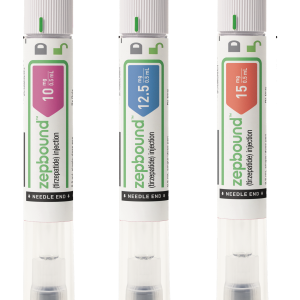
Buy Zepbound (Tirzepatide) Online for Weight Loss & Sleep Apnea
Price range: $277.00 through $420.00 Select options This product has multiple variants. The options may be chosen on the product page -
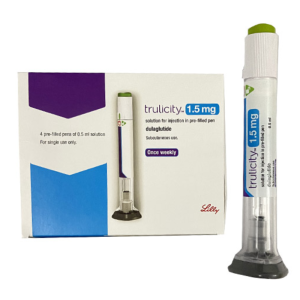
Buy Trulicity (Dulaglutide) Injection Online
$980.00 Select options This product has multiple variants. The options may be chosen on the product page -
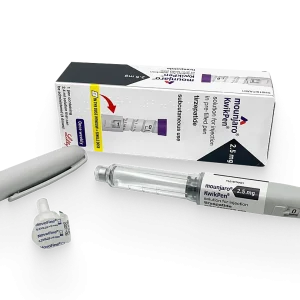
Buy Mounjaro Injection For Weight Loss
$920.00 Select options This product has multiple variants. The options may be chosen on the product page
Reviews
There are no reviews yet.