
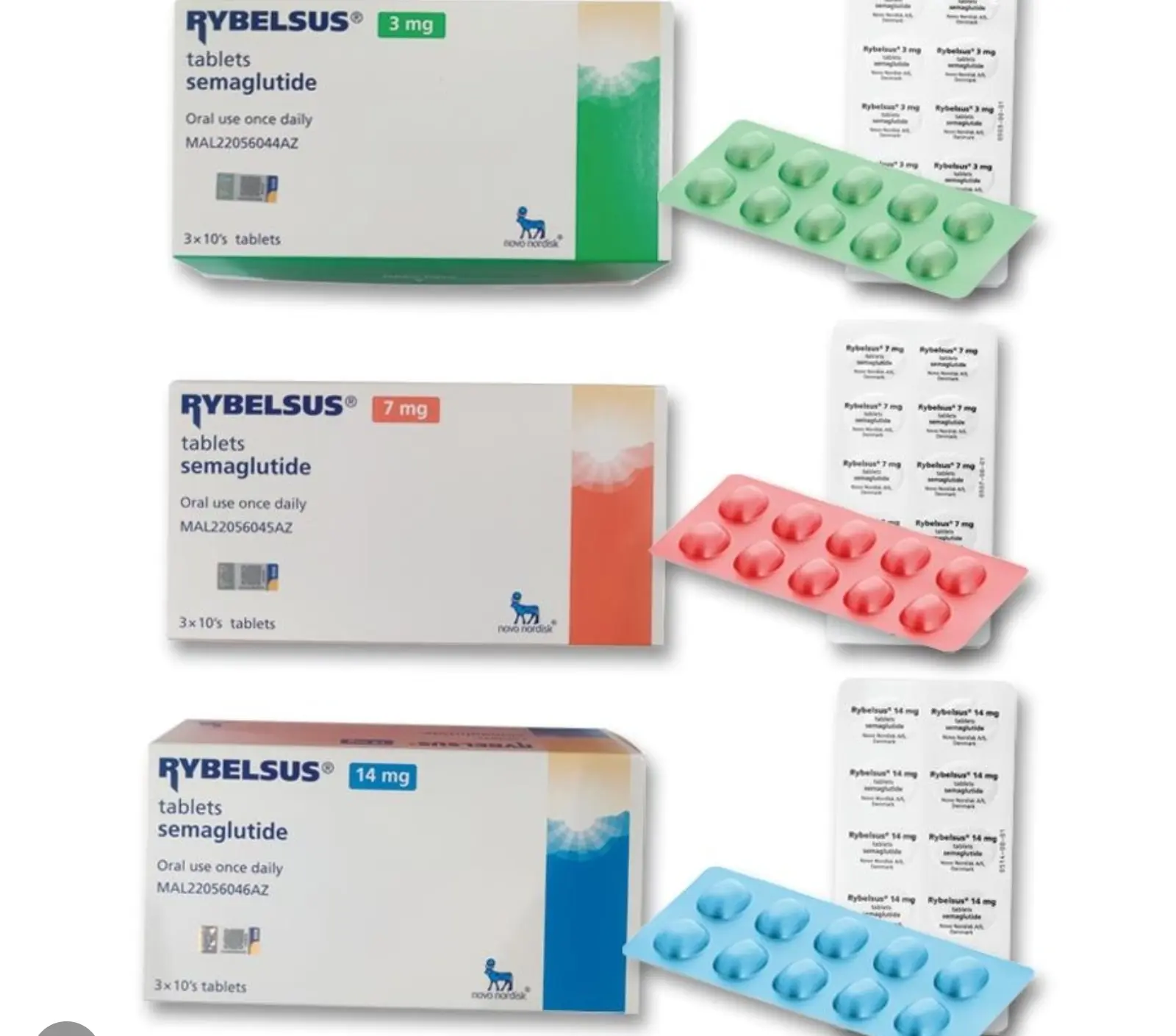
Buy Rybelsus Oral Semaglutide Tablets
Price range: $250.00 through $350.00
Rybelsus (Oral Semaglutide) is the first GLP‑1 receptor agonist available in tablet form, prescribed for adults with type 2 diabetes to help lower blood sugar and support long‑term health. Taken once daily, Rybelsus offers the benefits of GLP‑1 therapy without injections, making diabetes management more convenient and accessible.
Description
Buy Rybelsus (semaglutide) Online From Cardwell’s
Rybelsus (semaglutide) is the world’s first and only oral GLP-1 receptor agonist — a once-daily tablet that delivers the same active ingredient as Ozempic and Wegovy without the need for injections. Manufactured by Novo Nordisk and FDA-approved in September 2019, Rybelsus holds three distinct indications: glycemic control in adults with type 2 diabetes, first-line use for type 2 diabetes (approved January 2023, making it eligible for patients who have never taken a diabetes medication before), and as of October 2025, cardiovascular risk reduction in adults with type 2 diabetes who are at high risk for major cardiac events — including those who have never previously experienced a heart attack or stroke.
In the PIONEER clinical trial program, Rybelsus produced superior A1C reductions compared to placebo, sitagliptin (Januvia), and empagliflozin (Jardiance), and comparable reductions to injectable liraglutide (Victoza). In the landmark SOUL cardiovascular outcomes trial — a four-year study of 9,650 patients — Rybelsus 14mg reduced the risk of major adverse cardiovascular events (MACE) by 14%, including cardiovascular death, heart attack, and stroke. This makes Rybelsus the only oral GLP-1 medication with an approved cardiovascular indication.
Rybelsus also produces modest weight loss as a secondary effect of treatment, though it is not FDA-approved as a weight loss medication. Adults seeking weight management specifically should ask their prescriber about Wegovy, which contains the same active ingredient at higher injectable doses and is FDA-approved for chronic weight management.
Rybelsus is available at Vitercure through licensed clinicians who review your medical history before issuing a prescription. All orders ship in discreet, temperature-appropriate packaging.
What is Rybelsus?
Rybelsus is the brand name for oral semaglutide at type 2 diabetes doses. It is the only GLP-1 receptor agonist available in tablet form, and the only oral GLP-1 medication on the market in the United States. Semaglutide is also available under two other brand names with injectable delivery and different indications:
- Ozempic: semaglutide 0.5mg to 2mg, once-weekly subcutaneous injection, FDA-approved for type 2 diabetes, cardiovascular risk reduction, and kidney protection in diabetes with chronic kidney disease.
- Wegovy: semaglutide 0.25mg to 2.4mg (or up to 7.2mg with Wegovy HD), once-weekly injection, FDA-approved for chronic weight management, cardiovascular risk reduction, and adolescent obesity.
While all three medications contain semaglutide and are manufactured by Novo Nordisk, they are not interchangeable. Each carries a distinct FDA indication, dose range, delivery method, and prescribing protocol. Your prescriber will determine which formulation is appropriate based on your diagnosis, treatment goals, and personal preference regarding injections versus oral medication.
Rybelsus is administered as a once-daily oral tablet available in three strengths: 3mg, 7mg, and 14mg. It belongs to the class of medications called GLP-1 receptor agonists, which mimic the natural hormone glucagon-like peptide-1 to regulate blood sugar and appetite.
Who manufactures Rybelsus?
Rybelsus is manufactured by Novo Nordisk, a Danish pharmaceutical company founded in 1923 and headquartered in Bagsværd, Denmark. Novo Nordisk is the world’s largest manufacturer of insulin and one of the leading producers of diabetes and obesity medications globally. Rybelsus was approved by the FDA in September 2019 following the PIONEER clinical development program, which enrolled more than 10,000 adults with type 2 diabetes across nine phase 3 global trials.
How does Rybelsus work?
Rybelsus works through two layers of innovation: a breakthrough oral delivery technology that allows a peptide drug to survive the digestive process, and the same well-understood GLP-1 receptor mechanism shared by Ozempic and Wegovy.
The SNAC absorption technology
GLP-1 receptor agonists are peptide-based drugs that are normally destroyed by stomach acid before they can reach the bloodstream — which is why most require injection. Rybelsus solves this by combining semaglutide with SNAC (salcaprozate sodium), an absorption enhancer that protects the drug in the stomach:
- pH buffering. As the tablet erodes in the stomach, SNAC raises the local pH in a small zone around the dissolving tablet. This prevents pepsinogen from converting to pepsin — the enzyme that would otherwise break semaglutide down.
- Monomerization. SNAC changes the local polarity of the solution, keeping semaglutide molecules separated and in their most absorbable single-molecule form rather than clumping into larger structures.
- Membrane permeation. SNAC temporarily binds to the lipid membrane of gastric cells, creating a transient opening that allows semaglutide to pass through the stomach lining directly into the bloodstream. This effect is temporary and fully reversible.
This is why Rybelsus must be taken in a very specific way: on an empty stomach, with no more than 4 ounces of plain water, first thing in the morning. Any food, additional liquid, or other oral medication taken before or immediately after the tablet can disrupt the SNAC mechanism, flood the absorption zone, and significantly reduce the amount of drug that reaches the bloodstream.
The GLP-1 mechanism
Once absorbed, semaglutide works through the same mechanisms as injectable GLP-1 receptor agonists:
- Improved insulin response. Rybelsus stimulates the pancreas to release insulin more efficiently in response to meals — only when blood sugar is already elevated. This glucose-dependent action means Rybelsus does not typically cause low blood sugar (hypoglycemia) on its own.
- Reduced glucagon production. Glucagon is a hormone that raises blood sugar by releasing stored glucose from the liver. Rybelsus suppresses excess glucagon, reducing blood sugar spikes after meals.
- Slower gastric emptying. Food leaves the stomach more slowly, reducing the rate of glucose absorption after meals and extending feelings of fullness. This also contributes to reduced appetite and smaller portions feeling satisfying.
- Cardiovascular protection. Through mechanisms that are not fully understood, semaglutide reduces inflammation, improves blood vessel function, and lowers the risk of major cardiovascular events in patients with type 2 diabetes at high cardiac risk.
How quickly does Rybelsus start working?
Most patients see measurable changes in blood sugar within the first one to two weeks. The full glycemic effect is typically achieved after eight to twelve weeks at the 14mg maintenance dose. Common early effects include:
- Lower fasting blood glucose readings
- Reduced post-meal glucose spikes
- Decreased appetite, particularly for carbohydrate-rich and sweet foods
- Smaller portion sizes feel more satisfying
- Gradual reduction in intrusive food thoughts
Rybelsus reaches peak plasma concentration within approximately one hour of administration. Its long half-life of approximately one week means once-daily dosing maintains stable drug levels in the body throughout the day.
How effective is Rybelsus for diabetes?
Across the nine-trial PIONEER program, Rybelsus at its 14mg maintenance dose consistently outperformed other commonly used diabetes medications. At 26 weeks in PIONEER 2, Rybelsus 14mg reduced A1C by 1.4 percentage points compared to 0.9 points with empagliflozin 25mg. In PIONEER 3, Rybelsus 14mg was superior to sitagliptin 100mg in reducing A1C, and the 7mg dose also outperformed sitagliptin. In PIONEER 4, A1C reductions with Rybelsus 14mg were comparable to those achieved with injectable liraglutide 1.8mg.
The proportion of patients reaching the American Diabetes Association’s A1C target of under 7% was 55% to 77% with Rybelsus 14mg across the PIONEER trials, compared to 25% to 62% with active comparators and just 7% to 31% with placebo.
Does Rybelsus cause weight loss?
Yes, weight loss is a documented secondary effect of Rybelsus treatment, though it is not FDA-approved as a weight loss medication. In the PIONEER trials, adults treated with Rybelsus lost an average of approximately 5 lbs (2.3 kg) at the 14mg dose over 26 weeks. This is considerably less than injectable semaglutide at higher doses. If your primary goal is weight loss rather than diabetes management, ask your prescriber about Wegovy, which delivers semaglutide at higher doses specifically calibrated for chronic weight management and has produced 15% to 20% mean weight loss in clinical trials.
Rybelsus in clinical trials
The PIONEER clinical trial program tested Rybelsus across more than 10,000 patients in nine phase 3 global studies. Below are the most significant trials shaping current prescribing.
| Trial | Comparison & Duration | Primary Outcome | Key Finding |
|---|---|---|---|
| PIONEER 1 | 26 wk, Rybelsus vs placebo (monotherapy in diet/exercise patients) | A1C reduction | Rybelsus 7mg: –0.9% A1C; 14mg: –1.1% A1C vs placebo. Statistically significant for all doses. |
| PIONEER 2 | 52 wk, Rybelsus 14mg vs empagliflozin 25mg (on metformin) | A1C and body weight | Rybelsus reduced A1C by 1.4% vs 0.9% with empagliflozin at 26 weeks; weight loss similar at 26 weeks, greater with Rybelsus at 52 weeks. |
| PIONEER 3 | 78 wk, Rybelsus 3/7/14mg vs sitagliptin 100mg | A1C reduction | Rybelsus 7mg and 14mg were superior to sitagliptin for A1C reduction; 3mg was not statistically different. |
| PIONEER 4 | 52 wk, Rybelsus 14mg vs liraglutide 1.8mg and placebo | A1C and body weight | A1C reductions were comparable between oral Rybelsus and injectable liraglutide. Both outperformed placebo. |
| PIONEER 5 | 26 wk, Rybelsus in patients with moderate renal impairment | A1C reduction | Rybelsus was effective and well-tolerated in patients with reduced kidney function (eGFR 30–59 mL/min/1.73m²). |
| PIONEER 6 | ~16 months, CV safety trial in patients with T2D and high CV risk | MACE (CV death, heart attack, stroke) | Rybelsus demonstrated cardiovascular non-inferiority vs placebo; laid groundwork for further CV outcomes research. |
| SOUL (Trial 7) | 4 yr, 9,650 adults with T2D at high CV risk | MACE reduction | 14% reduction in MACE vs placebo. Covered both primary and secondary prevention. Led to October 2025 FDA approval for CV risk reduction. |
Key takeaways: Rybelsus is one of the most extensively studied oral diabetes medications, with the PIONEER program enrolling more than 10,000 patients across nine trials. It consistently outperforms commonly used oral diabetes medications in A1C reduction, offers a clinical profile comparable to injectable liraglutide, and now carries a cardiovascular risk reduction indication backed by four years of outcomes data in nearly 10,000 patients.
Is Rybelsus right for me?
Eligibility is determined by a licensed clinician who reviews your medical history, current medications, and treatment goals. Rybelsus is appropriate for adults with type 2 diabetes who need additional blood sugar control and may prefer an oral medication over injections. As of 2023, it can also be prescribed as a first-line treatment — meaning patients who have never taken a diabetes medication before are eligible. It is particularly well-suited to patients with established or high-risk cardiovascular disease. To begin, complete a confidential online consultation at Vitercure. A clinician will assess whether Rybelsus is clinically appropriate and, if not, may recommend an alternative such as Ozempic, Mounjaro, Trulicity, or oral agents.
Rybelsus doses
Rybelsus is supplied as white oval tablets in three strengths: 3mg, 7mg, and 14mg. Treatment always begins at 3mg for the first four weeks, regardless of prior GLP-1 experience. This starting dose is not intended to control blood sugar — its purpose is to allow your body to adjust to the medication and minimize gastrointestinal side effects. The dose is then increased to 7mg, and if additional glycemic control is needed, to 14mg.
Standard Rybelsus dosing schedule
| Weeks | Dose | Frequency | Purpose |
|---|---|---|---|
| 1 to 4 | 3mg | Once daily | Starter dose. Helps the body acclimate to semaglutide. Not a maintenance dose; not approved for blood sugar control at this level. |
| 5 onward | 7mg | Once daily | First maintenance dose. Clinically effective for blood sugar control in many patients. |
| 9 onward (if needed) | 14mg | Once daily | Maximum approved dose. Used when 7mg does not achieve sufficient A1C reduction after at least 4 weeks. |
Your prescriber may adjust this schedule based on your A1C response and tolerance of side effects. Some patients achieve their A1C goals at 7mg and remain there long-term. The 14mg dose is the only dose approved for cardiovascular risk reduction.
How to take Rybelsus correctly
Rybelsus has strict administration requirements that are essential to how the medication is absorbed. Unlike most oral medications, Rybelsus is absorbed in the stomach — not the small intestine — and any food or excess liquid in the stomach at the time of dosing significantly reduces the amount of drug that enters the bloodstream. The rules are non-negotiable for therapeutic effectiveness:
- Take it first thing in the morning, before any food, drink (other than water), vitamins, or other medications.
- Take with no more than 4 ounces (half a cup) of plain water. Do not use juice, coffee, tea, or any other liquid. Do not use more than 4 oz of water — larger amounts dilute the SNAC absorption zone and reduce efficacy.
- Swallow the tablet whole. Do not crush, split, or chew it. The intact tablet structure is necessary for the SNAC mechanism to work as designed.
- Wait at least 30 minutes before eating, drinking anything else, or taking other oral medications. This gives the tablet time to fully erode and be absorbed in the stomach before food disrupts the absorption zone.
Patients who are not strict about these instructions often see lower efficacy — not because the drug isn’t working, but because it isn’t being properly absorbed. This is one of the most important things to understand about Rybelsus compared to other diabetes medications.
Why is dose titration necessary?
Titration protects you from severe side effects. Starting Rybelsus directly at 7mg or 14mg dramatically increases the risk of nausea, vomiting, and other gastrointestinal symptoms. The 3mg starter dose for four weeks allows the body to adapt to semaglutide. New patients must always start at 3mg.
What if I miss a dose?
If you miss a dose of Rybelsus, skip it entirely and take your next dose the following day at the usual time. Do not take an extra tablet to make up for a missed dose. Because Rybelsus has a long half-life of approximately one week, missing an occasional dose has less impact on steady-state drug levels than it would with a shorter-acting medication. If you have missed doses for more than a week, contact your prescriber before resuming, as you may need to restart titration.
Rybelsus eligibility
The FDA approval for Rybelsus currently covers two clinical indications:
For type 2 diabetes (glycemic control and first-line use)
- Adults with type 2 diabetes mellitus who need improved blood sugar control alongside diet and exercise.
- As of January 2023, Rybelsus can be prescribed as a first-line treatment — patients who have never used a diabetes medication before are now eligible.
- Previously restricted to patients for whom other treatments had been insufficient, the label update reflects evidence from PIONEER trials showing strong efficacy even as initial therapy.
For cardiovascular risk reduction
- Adults with type 2 diabetes at high cardiovascular risk — including those without a prior heart attack or stroke (primary prevention).
- Only the 7mg and 14mg doses carry this indication. The 3mg starter dose does not.
- This October 2025 approval, based on the SOUL trial, makes Rybelsus the only oral GLP-1 medication approved for cardiovascular risk reduction. Importantly, it covers both primary and secondary prevention — unlike some earlier GLP-1 approvals that required a prior cardiovascular event.
Rybelsus is not FDA-approved for type 1 diabetes, diabetic ketoacidosis, or as a primary weight loss medication. Your prescriber will review your full medical history, current medications, and laboratory work before deciding whether Rybelsus is appropriate for you.
How to get Rybelsus online safely
Rybelsus can only be obtained legally with a valid prescription from a licensed healthcare provider. Through Vitercure, the process is straightforward:
- Complete a confidential online questionnaire covering your medical history, current medications, and recent A1C results if available.
- A licensed clinician reviews your information through our HIPAA-compliant telehealth platform.
- If Rybelsus is appropriate, the clinician issues a valid prescription.
- Your medication ships in discreet, properly packaged packaging to protect tablet integrity.
Avoid any seller offering Rybelsus or generic oral semaglutide without a proper prescription consultation. Counterfeit oral semaglutide products have been documented in unregulated markets and carry risks including incorrect dosing, missing absorption enhancers (which would render the medication inactive), and contamination. Always verify that any supplier is dispensing FDA-approved Novo Nordisk Rybelsus.
What’s included with your Rybelsus order
Each Rybelsus shipment from Vitercure includes:
- Rybelsus tablets at your prescribed dose, factory-sealed by Novo Nordisk
- FDA-approved patient information leaflet and Medication Guide
- Dosing reminder card with administration instructions
- Discreet packaging appropriate for tablet storage
You also receive ongoing access to clinical support through Vitercure, including dose adjustment consultations and side-effect management guidance, at no additional cost.
Rybelsus side effects
The most common side effects of Rybelsus are gastrointestinal and tend to occur during the first weeks at a new dose level. They follow the same general pattern as other semaglutide formulations but may be more noticeable at the transition from 7mg to 14mg.
Common side effects (5% or more of patients)
- Nausea
- Diarrhea
- Decreased appetite
- Vomiting
- Constipation
- Abdominal pain or discomfort
- Indigestion or acid reflux
Serious side effects (rare but require immediate medical attention)
- Pancreatitis: severe, persistent abdominal pain that may radiate to the back, often with nausea or vomiting. Discontinue Rybelsus and seek emergency care immediately.
- Gallbladder problems: upper right abdominal pain, fever, jaundice, or clay-colored stools. In the SOUL trial, cholelithiasis was reported in 1.1% of Rybelsus patients versus 0.9% in the placebo group.
- Severe allergic reactions: rash, swelling of the face or throat, difficulty breathing.
- Kidney issues: often related to dehydration from prolonged vomiting or diarrhea. Rybelsus has been studied and found effective in patients with moderate renal impairment, but severe dehydration can worsen kidney function in any patient.
- Diabetic retinopathy complications in patients with pre-existing diabetic eye disease, specifically associated with rapid A1C reduction.
- Severe hypoglycemia when used in combination with insulin or sulfonylureas.
- Increased resting heart rate.
Important drug interaction: Because Rybelsus slows gastric emptying, it can reduce the absorption rate of other oral medications taken at the same time. This is especially relevant for medications with a narrow therapeutic index — such as levothyroxine (thyroid medication) — where even small changes in absorption can affect clinical outcomes. Always inform your prescriber of all medications you take, and follow the 30-minute wait rule consistently.
Boxed warning: Semaglutide caused thyroid C-cell tumors in animal studies. It is not known whether this risk applies to humans, but Rybelsus is contraindicated in patients with a personal or family history of medullary thyroid carcinoma (MTC) or Multiple Endocrine Neoplasia syndrome type 2 (MEN 2).
Managing side effects
Most early side effects can be reduced or prevented with simple measures:
- Follow the administration instructions exactly — poor absorption from skipping the empty-stomach requirement can paradoxically worsen nausea
- Eat smaller meals and stop eating before you feel completely full
- Limit greasy, fried, or very rich foods, which often trigger nausea in the first weeks of each dose level
- Stay well hydrated throughout the day (after your 30-minute post-dose window)
- Take a daily fiber supplement if constipation develops
- Do not rush to the next dose tier if you are still adjusting — your prescriber can extend time at 7mg if needed
If side effects persist, worsen, or interfere significantly with daily life, contact your prescriber. They can hold you at the current dose for an additional cycle, adjust your schedule, or recommend a different medication.
Storage, diet, and lifestyle
How to store Rybelsus
Rybelsus tablets should be stored at room temperature between 68°F and 77°F (20°C to 25°C). Unlike injectable semaglutide (Ozempic, Wegovy), Rybelsus does not require refrigeration. Keep tablets in the original blister packaging to protect them from moisture. Do not store in the bathroom or near a sink. Discard any tablets past the expiration date printed on the packaging.
Traveling with Rybelsus
Rybelsus is easier to travel with than injectable semaglutide — no needles, no cold-chain requirements, and no special TSA considerations beyond carrying a copy of your prescription. Keep tablets in their original blister packaging and store them away from extreme heat. If traveling across time zones, take Rybelsus at a consistent interval after waking, regardless of the local time, and maintain the 30-minute fasting window as normal.
Diet on Rybelsus
Rybelsus works most effectively alongside a balanced, diabetes-conscious diet. Focus on:
- Lean protein at each meal to stabilize blood sugar and preserve muscle mass
- High-fiber carbohydrates such as whole grains, legumes, and vegetables to slow glucose absorption
- Healthy fats including olive oil, avocados, and nuts
- Adequate hydration throughout the day — at least 64 oz (2 liters) of water — starting after your 30-minute morning window
- Smaller, more frequent meals rather than large portions, especially during dose escalation
Limit sugary beverages, refined carbohydrates, and ultra-processed foods, which contribute to glucose spikes and can blunt the medication’s benefits. Alcohol should be used with caution: it does not directly interact with semaglutide, but can cause dangerous blood sugar swings, intensify gastrointestinal side effects, and contribute to dehydration.
Exercise and Rybelsus
Physical activity is strongly recommended alongside Rybelsus. Aerobic exercise improves insulin sensitivity, lowers blood sugar, and supports cardiovascular health. Resistance training preserves lean muscle mass and improves glycemic control. Even modest activity — such as a 30-minute daily walk and two short strength sessions per week — materially improves long-term outcomes and helps offset the modest weight loss that Rybelsus produces compared to higher-dose semaglutide formulations.
Rybelsus vs Ozempic vs Wegovy vs Mounjaro
Rybelsus shares its active ingredient with Ozempic and Wegovy but differs in delivery method, dose ceiling, and clinical emphasis. The table below compares the major GLP-1-based therapies currently available.
| Feature | Rybelsus | Ozempic | Wegovy | Mounjaro |
|---|---|---|---|---|
| Active ingredient | Semaglutide | Semaglutide | Semaglutide | Tirzepatide |
| Delivery method | Once-daily oral tablet | Once-weekly injection | Once-weekly injection | Once-weekly injection |
| Mechanism | GLP-1 agonist | GLP-1 agonist | GLP-1 agonist | Dual GIP + GLP-1 agonist |
| Primary FDA indication | Type 2 diabetes (first-line eligible) | Type 2 diabetes | Weight management | Type 2 diabetes |
| Cardiovascular benefit | Yes — T2D with high CV risk (primary & secondary prevention) | Yes — T2D with established heart disease | Yes — without diabetes requirement | Trial results pending full approval |
| Injection-free | Yes | No | No | No |
| Maximum dose | 14mg/day | 2mg/week | 2.4mg/week (or 7.2mg HD) | 15mg/week |
| Avg A1C reduction (max dose) | ~1.4% (14mg) | 2.1% (2mg) | Not primary endpoint | 2.0% to 2.4% |
| Avg weight loss | ~5 lbs (14mg) | 12–14 lbs (1mg) | 15%–20% body weight | ~20% body weight |
| Manufacturer | Novo Nordisk | Novo Nordisk | Novo Nordisk | Eli Lilly |
Bottom line: Rybelsus is the right choice when the active ingredient is semaglutide and the patient prefers — or requires — an oral medication over injections. It produces meaningful A1C reductions, now carries a cardiovascular benefit indication, and is the only oral GLP-1 on the market. Its limitations are a lower dose ceiling and less weight loss than injectable semaglutide at higher doses. Patients whose primary goal is weight loss, or who need greater A1C reduction, may be better served by Ozempic or Wegovy with their prescriber’s guidance.
Frequently asked questions
Is Rybelsus the same as Ozempic in pill form?
Both contain semaglutide and are made by Novo Nordisk, but they are not interchangeable. Rybelsus is a once-daily oral tablet with a maximum dose of 14mg. Ozempic is a once-weekly subcutaneous injection with a maximum dose of 2mg. Because of the oral absorption process and dose differences, the clinical profiles are different — Ozempic produces greater A1C reductions and more weight loss at its maximum dose than Rybelsus does at 14mg. Rybelsus is the better choice for patients who prefer an oral medication; Ozempic is better for patients who need stronger glycemic control or greater weight loss and are comfortable with self-injection.
Why does Rybelsus have to be taken on an empty stomach?
Rybelsus is absorbed in the stomach using SNAC technology, which creates a temporary protective buffer zone around the dissolving tablet. Any food or excess liquid present in the stomach when the tablet erodes dilutes and disrupts this zone, dramatically reducing how much semaglutide reaches the bloodstream. Clinical studies show that food reduces Rybelsus absorption by approximately 50% to 75%, essentially cutting the effective dose in half. This is why the 30-minute fasting window is not optional — it is the mechanism by which the drug works.
What is the difference between Rybelsus 7mg and 14mg?
Rybelsus 7mg is the first maintenance dose, used after the 3mg starter period, and is effective for glycemic control in many patients. The 14mg dose is for patients who need additional A1C reduction beyond what 7mg provides. In clinical trials, 14mg produced somewhat greater A1C reductions and slightly more weight loss than 7mg. Importantly, only the 7mg and 14mg doses carry the cardiovascular risk reduction indication — the 3mg starter dose does not. Your prescriber will determine which dose is appropriate based on your A1C response.
Can I take Rybelsus if I have never used a diabetes medication before?
Yes. As of January 2023, the FDA approved Rybelsus for first-line use in type 2 diabetes. This means eligible patients can receive Rybelsus as their very first diabetes medication, without needing to try metformin or other agents first. This is a significant distinction from many other GLP-1 receptor agonists, which have traditionally been prescribed only when earlier treatments were insufficient.
Does Rybelsus protect the heart?
Yes. As of October 2025, Rybelsus is FDA-approved to reduce the risk of major adverse cardiovascular events — including cardiovascular death, heart attack, and stroke — in adults with type 2 diabetes who are at high cardiac risk. Uniquely, this indication covers both patients who have already had a cardiovascular event (secondary prevention) and those who have not (primary prevention). The SOUL trial, which enrolled 9,650 patients over four years, demonstrated a 14% relative reduction in MACE compared to placebo on top of standard care. This makes Rybelsus the only oral GLP-1 medication with a cardiovascular indication.
How much weight will I lose on Rybelsus?
In the PIONEER trials, Rybelsus 14mg produced average weight loss of approximately 5 lbs (2.3 kg) over 26 weeks. This is less than injectable semaglutide at higher doses — Ozempic 1mg produces roughly 12 to 14 lbs of weight loss, and Wegovy at higher doses produces 15% to 20% of body weight. If weight loss is a primary goal, your prescriber will likely recommend Wegovy, which is FDA-approved for that purpose and delivers semaglutide in higher concentrations than oral Rybelsus.
Can I drink coffee before taking Rybelsus?
No. Coffee (and any other beverage other than the maximum 4 ounces of plain water) must not be consumed before or for at least 30 minutes after taking Rybelsus. Coffee increases stomach acid production, which can interfere with the SNAC absorption mechanism. It also constitutes a “drink” that would violate the empty-stomach requirement. Caffeine intake on Rybelsus can also increase gastrointestinal side effects such as nausea and acid reflux. Many patients find the best approach is to set out their tablet and a half-cup of water before bed so it is ready the moment they wake up, take it immediately, and then proceed with their normal morning routine after 30 minutes.
Can Rybelsus be taken with other medications?
Yes, but with an important caveat: because Rybelsus slows gastric emptying, it delays the absorption of other oral medications. Other prescription medications, vitamins, and supplements must not be taken within the 30-minute window after your Rybelsus dose. Medications with a narrow therapeutic index — particularly levothyroxine — require close monitoring, as even small changes in absorption timing can affect clinical outcomes. Always inform your prescriber of all medications you take before starting Rybelsus.
Will I gain weight back if I stop Rybelsus?
Most patients who discontinue Rybelsus without sustained lifestyle changes regain weight and see deterioration in blood sugar control over the following months. This reflects the chronic nature of type 2 diabetes rather than a specific problem with semaglutide. Many clinicians recommend treating type 2 diabetes as a long-term condition requiring ongoing management and will work with patients to find the most sustainable treatment approach.
Is Rybelsus safe long-term?
Yes. Rybelsus has been on the market since 2019 and was studied for up to four years in the SOUL cardiovascular outcomes trial with no new safety signals. The broader semaglutide class — including Ozempic, which has been available since 2017 — has accumulated one of the largest long-term safety datasets of any GLP-1 medication. Most patients tolerate Rybelsus well at maintenance doses once the initial gastrointestinal adjustment period has passed.
Can I switch from Rybelsus to Ozempic or Wegovy?
Yes, and this is common. Patients who want greater A1C reduction or more weight loss often transition from Rybelsus to injectable Ozempic or Wegovy under prescriber guidance. Conversely, patients who are not comfortable with self-injection may switch from Ozempic to Rybelsus. Your prescriber will guide the transition and may recommend a brief washout period or dose adjustment depending on the direction of the switch.
Additional information
| Choose Dose | 3mg Starter dose, 7mg Step-up dose, 14mg Maintenance dose |
|---|
Related products
-
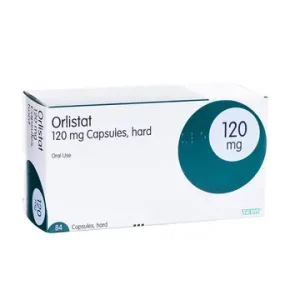
Orlistat Capsules (120mg) For Weight Loss
Price range: $50.00 through $210.00 Select options This product has multiple variants. The options may be chosen on the product page -
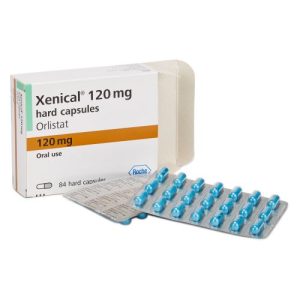
Buy Xenical (Orlistat) 120mg Online – Effective Weight Loss Capsules
$77.99 Select options This product has multiple variants. The options may be chosen on the product page -
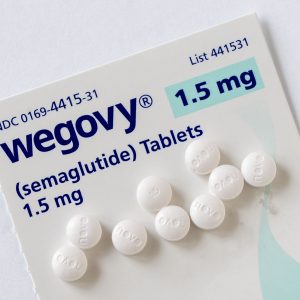
Wegovy Pill (Oral Semaglutide Tablet) 91 Days Guaranatee
Price range: $220.00 through $330.00 Select options This product has multiple variants. The options may be chosen on the product page -
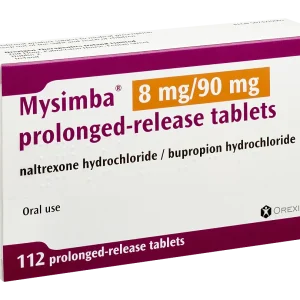
Buy Mysimba Tablets Online For Weight Loss
$170.00
Reviews
There are no reviews yet.